

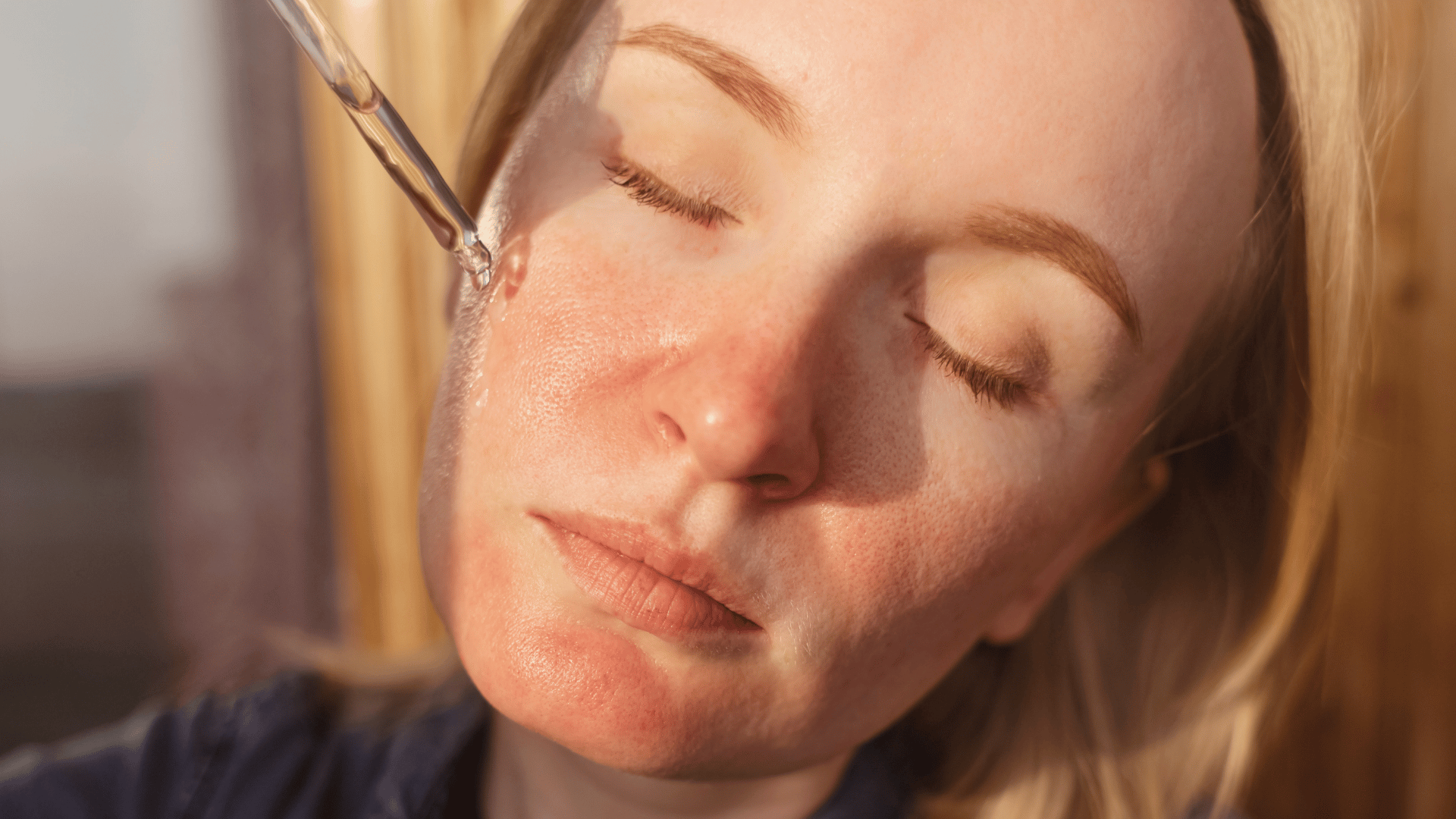
After a day in the sun, your skin may feel warm, tight, dry or more sensitive than usual. Even if you have used SPF, sun exposure, heat, sweat, salt water, chlorine and air conditioning can all leave the skin needing extra care.
After-sun skincare is not just about cooling the skin. It is about restoring hydration, calming discomfort and supporting the skin barrier.
The best after-sun routine should be gentle, soothing and focused on repair.
Why skin needs care after sun exposure
Sun exposure can affect the skin in several ways. UV rays can contribute to dehydration, sensitivity, pigmentation and premature ageing, while heat can make the skin feel flushed or uncomfortable.
Other summer factors can add to this stress.
Common post-sun skin concerns include:
- Dehydration: Skin may feel tight, dry or less plump.
- Redness: Heat and sun exposure can make skin look flushed.
- Sensitivity: Products may sting more than usual.
- Pigmentation: Dark spots and uneven tone can become more noticeable.
- Rough texture: Salt water, chlorine and sweat can leave skin feeling dry.
- Barrier stress: The skin may feel weaker or more reactive.
After sun exposure, your skin needs calm, not aggressive treatments.
Step 1: cleanse gently
After a day outdoors, it is important to remove SPF, sweat, salt, chlorine, makeup and pollution from the skin.
However, the skin may already feel sensitive, so avoid harsh cleansers or scrubbing.
Choose a gentle cleanser that leaves the skin comfortable. If you have worn water-resistant SPF or makeup, double cleansing can be useful.
A simple evening cleanse could look like this:
- Cleansing balm or oil to remove SPF and makeup
- Gentle cream, gel or milk cleanser to cleanse the skin
Use lukewarm water rather than hot water. Hot water can make post-sun dryness and sensitivity worse.
Step 2: cool and calm the skin
If your skin feels hot after sun exposure, start by cooling it gently.
You can use a cool compress, a soothing mist or a lightweight calming serum. Avoid ice directly on the skin, as this can be too intense and may cause irritation.
Look for soothing ingredients such as:
- Aloe vera: Helps refresh and calm the skin.
- Panthenol: Supports comfort and hydration.
- Allantoin: Helps soothe sensitive-feeling skin.
- Glycerin: Supports softness and moisture.
- Niacinamide: Helps support the skin barrier.
- Thermal water: Can feel cooling and calming.
If the skin feels very sore, blistered or severely burned, seek professional medical advice.
Step 3: rehydrate with a serum
Sun exposure and heat can leave the skin dehydrated, even if it does not look visibly burned.
A hydrating serum can help the skin feel more comfortable and look fresher after a day outdoors.
Good hydrating ingredients include:
- Hyaluronic acid
- Glycerin
- Panthenol
- Aloe vera
- Beta-glucan
- Niacinamide
Apply your hydrating serum after cleansing, while the skin is slightly damp. Then follow with moisturiser to help seal in hydration.
Avoid applying strong active ingredients immediately after sun exposure if your skin feels sensitive.
Step 4: support the skin barrier
After sun exposure, the skin barrier may need extra support. This is especially true if your skin feels tight, rough, dry or reactive.
Use a moisturiser that helps comfort the skin and reduce water loss.
Look for ingredients such as:
- Ceramides
- Squalane
- Peptides
- Fatty acids
- Shea butter
- Niacinamide
- Glycerin
Products such as Obagi Hydrate Luxe or SkinCeuticals Triple Lipid Restore 2:4:2 can be useful when the skin feels dry or in need of extra nourishment after sun exposure.
For oily or combination skin, choose a lighter moisturiser but do not skip this step completely.
Step 5: avoid exfoliation after sun exposure
After a day in the sun, your skin is more vulnerable. This is not the time to use strong exfoliating acids, scrubs or peels.
Avoid:
- Glycolic acid
- Strong lactic acid products
- Salicylic acid treatments
- Physical scrubs
- Peeling masks
- Strong resurfacing treatments
If your skin feels dry or rough, focus on hydration first. You can return to gentle exfoliation once the skin feels calm and comfortable again.
Over-exfoliating sun-exposed skin can lead to irritation, redness and a weakened barrier.
Step 6: pause retinol if skin feels sensitive
Retinol can be a useful ingredient in a regular routine, but it may be too much for skin that has had a lot of sun exposure.
If your skin feels warm, dry, tight or irritated, pause retinol for a few nights and focus on repair.
Use a simple evening routine instead:
- Gentle cleanse
- Hydrating serum
- Soothing moisturiser
- Richer cream on dry areas if needed
Once your skin feels normal again, you can slowly return to retinol.
If you use retinol regularly in summer, daily SPF becomes even more important.
Step 7: keep using SPF the next day
After-sun care does not stop at night. The next morning, SPF is essential.
Sun-exposed skin needs protection from further UV damage, especially if it feels dry or sensitive.
Your morning routine should include:
- Gentle cleanser or rinse
- Hydrating serum
- Moisturiser
- Broad-spectrum SPF
If you are going back outdoors, reapply SPF regularly and use extra protection such as sunglasses, a hat and shade.
Do not expose irritated or burned skin to more sun.
Step 8: care for the body too
After-sun skincare should include the body, not just the face.
The shoulders, chest, arms, legs and back of the neck often receive a lot of sun exposure and can become dry or sensitive.
After showering, apply a soothing body lotion or cream while the skin is slightly damp.
Look for body care with:
- Aloe vera
- Glycerin
- Panthenol
- Shea butter
- Ceramides
- Squalane
Avoid fragranced products if your skin feels irritated. Keep the routine gentle until the skin feels comfortable again.
What not to do after sun exposure
To avoid making the skin more irritated, try not to:
- Use hot water on the face or body
- Scrub the skin
- Apply strong acids
- Use retinol on irritated skin
- Pick or peel flaky skin
- Apply heavily fragranced products
- Skip moisturiser
- Forget SPF the next day
- Go back into strong sun if skin feels burned
After-sun skincare should calm the skin, not challenge it.
A simple after-sun skincare routine
A gentle after-sun routine could look like this:
Evening:
- Remove SPF and makeup with a gentle first cleanse
- Cleanse again with a mild cleanser
- Apply a hydrating or soothing serum
- Use a barrier-supporting moisturiser
- Apply body lotion after showering
Morning after:
- Gentle cleanse or rinse
- Hydrating serum
- Moisturiser
- Broad-spectrum SPF
Keep the routine simple until your skin feels balanced again.
The takeaway
After sun exposure, your skin needs hydration, comfort and barrier support. Avoid harsh treatments, exfoliating acids and retinol if your skin feels warm, dry or sensitive.
Cleanse gently, use soothing ingredients, moisturise well and protect your skin with SPF the next morning.
Good after-sun skincare helps your skin recover from summer stress and stay comfortable, healthy-looking and protected.


