

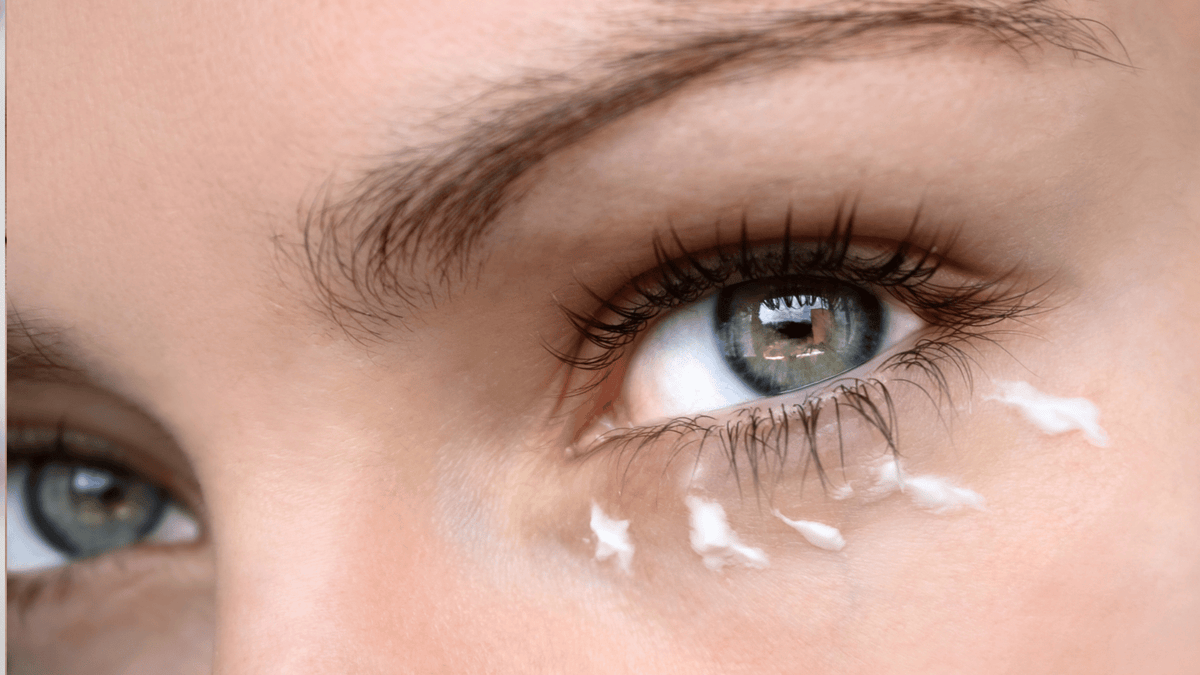
The skin around the eyes is thinner and more delicate than the rest of the face. This means it can show signs of winter stress quickly, especially when the weather is cold and the air is dry.
During the colder months, you may notice more dryness, puffiness, fine dehydration lines or dark circles around the eyes. Central heating, cold wind, lack of sleep and dehydration can all make the eye area look more tired than usual.
A good winter eye care routine should be gentle, hydrating and protective.
Why the eye area needs extra care in winter
The eye area has fewer oil glands than other parts of the face, so it can become dry more easily. It is also more delicate, which means harsh products or rubbing can cause irritation.
Winter can make these concerns more visible because of:
- Cold wind: Can leave the eye area feeling dry or tight.
- Central heating: Reduces moisture in the air and can dehydrate the skin.
- Lack of sleep: Can make puffiness and dark circles look more noticeable.
- Dehydration: Can make fine lines appear deeper.
- Harsh products: Strong actives used too close to the eyes can cause irritation.
- Rubbing: Can worsen redness, dryness and sensitivity.
The goal is to keep the eye area comfortable, smooth and well hydrated.
Common winter eye concerns
Different eye concerns need slightly different care.
You may notice:
- Dryness: The skin feels tight, flaky or rough.
- Puffiness: The eye area looks swollen or tired, especially in the morning.
- Dark circles: The under-eye area looks shadowed or uneven.
- Fine lines: Dehydration lines appear more visible.
- Sensitivity: Eye products sting or cause redness.
These concerns can overlap. For example, dehydration can make both fine lines and dark circles look more obvious.
Step 1: use a gentle eye cream
A good eye cream can help support the delicate skin around the eyes, especially during winter.
Look for textures that feel comfortable without being too heavy. Lightweight creams, gels or balms can all work, depending on your skin type and how dry the area feels.
Helpful ingredients may include:
- Hyaluronic acid: Helps hydrate and plump the look of the skin.
- Glycerin: Supports softness and comfort.
- Peptides: Help the eye area look smoother and firmer.
- Niacinamide: Supports the barrier and helps with uneven tone.
- Caffeine: Can help the eye area look fresher and less puffy.
- Ceramides: Support barrier comfort and reduce dryness.
If your eye area is very dry, you may prefer a richer eye cream at night and a lighter texture in the morning.
Step 2: apply eye cream correctly
How you apply eye cream matters.
Use a small amount, usually no more than a grain of rice for both eyes. Applying too much product can sometimes cause puffiness, irritation or small bumps around the eyes.
Apply eye cream around the orbital bone, rather than too close to the lash line. The product will naturally move slightly as it warms on the skin.
Use your ring finger and tap gently. Avoid pulling, dragging or rubbing the skin.
A simple method:
- Place a small amount of product on your ring finger
- Tap gently under the eye area
- Continue around the outer corner
- Apply lightly under the brow bone if suitable
- Allow it to absorb before makeup or SPF
Gentle application is especially important in winter, when the skin may already be more reactive.
Step 3: treat dryness with hydration and barrier support
Dryness around the eyes can make fine lines look more visible and can cause makeup to crease or cling to texture.
If this happens, focus on hydration and barrier support.
Look for eye products with:
- Hyaluronic acid
- Glycerin
- Panthenol
- Ceramides
- Peptides
- Squalane
Avoid applying strong exfoliating acids or retinol too close to the eyes unless the product is specifically designed for that area.
If the eye area feels irritated, pause active treatments and use a simple hydrating eye cream until the skin feels calm again.
Step 4: reduce the look of puffiness
Puffiness can be caused by many factors, including lack of sleep, fluid retention, allergies, stress or lifestyle changes.
While skincare cannot fix every cause, it can help the eye area look fresher.
To reduce the look of puffiness, try:
- Using a cooling eye cream or gel
- Keeping eye patches in the fridge
- Applying product with gentle tapping motions
- Sleeping with your head slightly elevated
- Drinking enough water
- Reducing excess salt before bed
Eye products with caffeine can be helpful for morning puffiness because they can make the area look more awake and refreshed.
Step 5: brighten the look of dark circles
Dark circles can be caused by several things, including genetics, pigmentation, thin skin, tiredness or dehydration.
This means one product may not work for every type of dark circle.
Hydrating eye creams can help if the area looks shadowed because of dryness or dehydration. Brightening ingredients such as niacinamide or vitamin C may help if uneven tone is part of the concern.
For dark circles linked to thin skin or structure, results from skincare may be more subtle. In this case, hydration, SPF and gentle application are still important for keeping the area looking smooth and healthy.
Step 6: do not forget SPF around the eyes
SPF is important for the eye area, especially if you are concerned about fine lines, pigmentation or premature ageing.
UV exposure can contribute to uneven tone and loss of firmness over time, even during winter.
Choose a sunscreen that feels comfortable near the eyes and does not sting. Apply it carefully around the orbital area, avoiding direct contact with the eyes.
If your regular SPF irritates your eyes, try a different texture or formula. The best SPF is one you can wear comfortably every day.
Step 7: support the eye area from the inside too
Lifestyle can affect how the eye area looks.
To support brighter, fresher-looking eyes, try to:
- Get enough sleep where possible
- Stay hydrated
- Avoid rubbing your eyes
- Remove makeup gently
- Use lukewarm water, not hot water
- Protect your skin from cold wind
- Keep your skincare routine consistent
Small daily habits can make the eye area look more rested over time.
What not to do around the eyes
The eye area is delicate, so avoid anything too aggressive.
Try not to:
- Use strong facial acids too close to the eyes
- Apply retinol near the eyes unless designed for that area
- Rub or pull the skin
- Use too much eye cream
- Sleep in eye makeup
- Apply fragranced products near the eyes
- Skip SPF
- Use hot water directly on the eye area
Gentle care is usually the most effective approach.
A simple winter eye care routine
A winter eye routine could look like this:
Morning:
- Gentle cleanse
- Lightweight hydrating eye cream
- Moisturiser
- Broad-spectrum SPF
Evening:
- Remove makeup gently
- Cleanse
- Hydrating or nourishing eye cream
- Moisturiser
If your eye area is very dry, use a richer eye cream or apply a small amount of nourishing moisturiser around the orbital bone, as long as your skin tolerates it.
The takeaway
Cold weather can make the eye area look dry, puffy and tired. Because the skin around the eyes is delicate, it needs gentle and consistent care.
Focus on hydration, barrier support, careful application and daily SPF. Avoid harsh products too close to the eyes, and choose eye creams that match your main concern.
With the right winter routine, the eye area can look smoother, fresher and more comfortable.


