

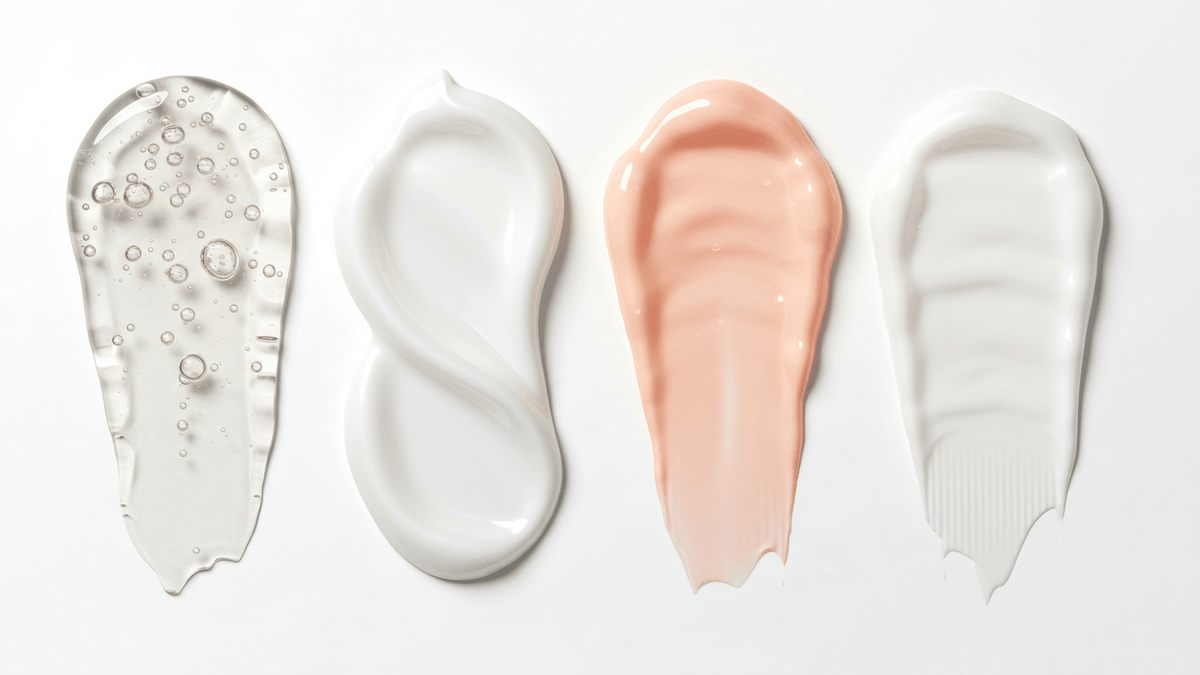
Sensitive skin can feel more difficult to manage during winter. Cold wind, central heating, low humidity and sudden temperature changes can all make the skin feel tight, red, itchy or uncomfortable.
You may also notice that products you usually tolerate start to sting, or that your skin becomes more reactive than normal.
When this happens, your skin barrier may need extra support. The best approach is to simplify your routine, avoid unnecessary irritation and focus on calming, hydrating and protective skincare.
Why sensitive skin gets worse in winter
Winter can be challenging for sensitive skin because the environment constantly changes around you. Cold air outside and dry heated air indoors can both affect the skin’s moisture levels.
When the skin barrier becomes weaker, it is less able to hold in water and keep irritants out. This can lead to redness, dryness and discomfort.
Common winter triggers include:
- Cold wind: Can leave the skin feeling raw, tight or irritated.
- Central heating: Reduces moisture in the air and can make skin feel dry.
- Hot water: Can strip the skin of natural oils.
- Harsh cleansers: May weaken the skin barrier.
- Over-exfoliation: Can increase redness, stinging and sensitivity.
- Strong actives: Retinol, acids or vitamin C may feel too intense when the skin is already irritated.
The aim is not to stop using active ingredients forever. It is to give your skin time to recover before reintroducing them slowly.
Signs your skin barrier needs support
Sensitive skin often becomes more reactive when the barrier is compromised.
You may notice:
- Products sting when applied
- Skin feels tight after cleansing
- Redness appears more easily
- Dry patches become more visible
- Skin feels hot or uncomfortable
- Makeup sits unevenly
- Breakouts appear alongside dryness
- Skin feels rough or flaky
If several of these signs appear at the same time, it is usually best to pause strong actives and return to a basic routine.
Step 1: simplify your routine
When skin is irritated, a long routine can make it harder to identify what is causing the problem.
For a few days, focus on the essentials:
- Gentle cleanser
- Hydrating serum
- Barrier-supporting moisturiser
- Broad-spectrum SPF in the morning
Avoid using too many products at once. This includes strong exfoliating acids, retinol, harsh scrubs or fragranced treatments.
Once your skin feels calm again, you can slowly bring back active ingredients one at a time.
Step 2: choose a gentle cleanser
Cleansing is important, but sensitive winter skin needs a cleanser that does not strip the skin.
If your face feels tight, dry or squeaky-clean after washing, your cleanser may be too harsh.
Look for gentle textures such as:
- Cream cleansers
- Milk cleansers
- Hydrating gel cleansers
- Balm cleansers for makeup and SPF removal
Use lukewarm water rather than hot water, and pat the skin dry with a soft towel instead of rubbing.
In the morning, very dry or reactive skin may not always need a full cleanse. A light rinse or very gentle cleanse may be enough, depending on your skin.
Step 3: use soothing ingredients
Sensitive skin often benefits from ingredients that help calm, hydrate and comfort the skin.
Look for:
- Panthenol: Helps soothe and support dry-feeling skin.
- Niacinamide: Supports the skin barrier and helps with uneven tone.
- Glycerin: Helps attract moisture and keep skin soft.
- Hyaluronic acid: Helps hydrate and plump the skin.
- Allantoin: Can help calm and comfort sensitive skin.
- Aloe vera: Often used to refresh and soothe.
- Ceramides: Help support the skin barrier.
When your skin is reactive, choose formulas that are simple and barrier-focused rather than highly active.
Step 4: strengthen the skin barrier
Moisturiser is one of the most important products for sensitive winter skin.
A good moisturiser helps reduce water loss and keeps the skin feeling more comfortable. During colder months, you may need a richer texture than you use in summer.
Barrier-supporting moisturisers can be especially helpful if your skin feels dry, tight or easily irritated.
Ingredients to look for include:
- Ceramides
- Lipids
- Squalane
- Peptides
- Fatty acids
- Shea butter
- Niacinamide
Products such as SkinCeuticals Triple Lipid Restore 2:4:2 or Obagi Hydrate Luxe can be useful for skin that needs extra comfort, nourishment and barrier support during winter.
Step 5: be careful with exfoliation
Exfoliation can be helpful for dullness and texture, but sensitive skin needs a cautious approach.
If your skin is red, stinging or flaky, pause exfoliation until it feels calmer.
When you reintroduce exfoliation, start slowly. Once a week may be enough for sensitive skin.
Gentler options may include:
- Lactic acid
- Mandelic acid
- Enzyme exfoliants
- Mild exfoliating masks
Avoid strong scrubs, high-strength peels and using acids too often. Over-exfoliation can make sensitive skin more reactive.
Step 6: adjust retinol use if needed
Retinol can be effective for texture, fine lines and ageing concerns, but it can also increase dryness or irritation, especially in winter.
If your skin is sensitive, you may need to reduce how often you use retinol during colder months.
Try using retinol:
- Once or twice a week
- On dry skin, not damp skin
- Followed by a nourishing moisturiser
- Away from exfoliating acids
- With daily SPF every morning
If your skin becomes very irritated, take a break from retinol and focus on barrier repair first.
Step 7: keep using SPF
SPF is still important in winter, even for sensitive skin.
UV rays can contribute to premature ageing, pigmentation and uneven tone throughout the year. They can also add stress to skin that is already reactive.
Choose a broad-spectrum SPF that feels comfortable and does not sting. If your skin is very sensitive, you may prefer a moisturising SPF texture or a formula designed for sensitive skin.
Apply SPF every morning as the final step in your skincare routine.
What to avoid when skin feels irritated
When your skin is sensitive, small changes can make a big difference.
Try to avoid:
- Hot water on the face
- Harsh foaming cleansers
- Strong facial scrubs
- Too many acids
- Starting several new products at once
- Applying retinol too often
- Rubbing the skin with a towel
- Skipping moisturiser
- Forgetting SPF
The goal is to reduce stress on the skin so the barrier can recover.
A simple routine for sensitive winter skin
A calming winter routine could look like this:
Morning:
- Gentle cleanse or rinse
- Hydrating serum
- Barrier-supporting moisturiser
- Broad-spectrum SPF
Evening:
- Gentle cleanse
- Soothing serum
- Nourishing moisturiser
- Richer cream or balm on dry areas if needed
Keep this routine consistent for a few weeks before adding stronger active ingredients.
The takeaway
Sensitive skin often needs extra care in winter. Cold weather, heating and harsh products can weaken the skin barrier, leading to redness, tightness and irritation.
The best routine is simple, gentle and consistent. Focus on soothing ingredients, barrier support, rich moisturisers and daily SPF.
Once your skin feels calm and comfortable again, you can slowly reintroduce active ingredients with care.
Healthy sensitive skin starts with a strong skin barrier.


