

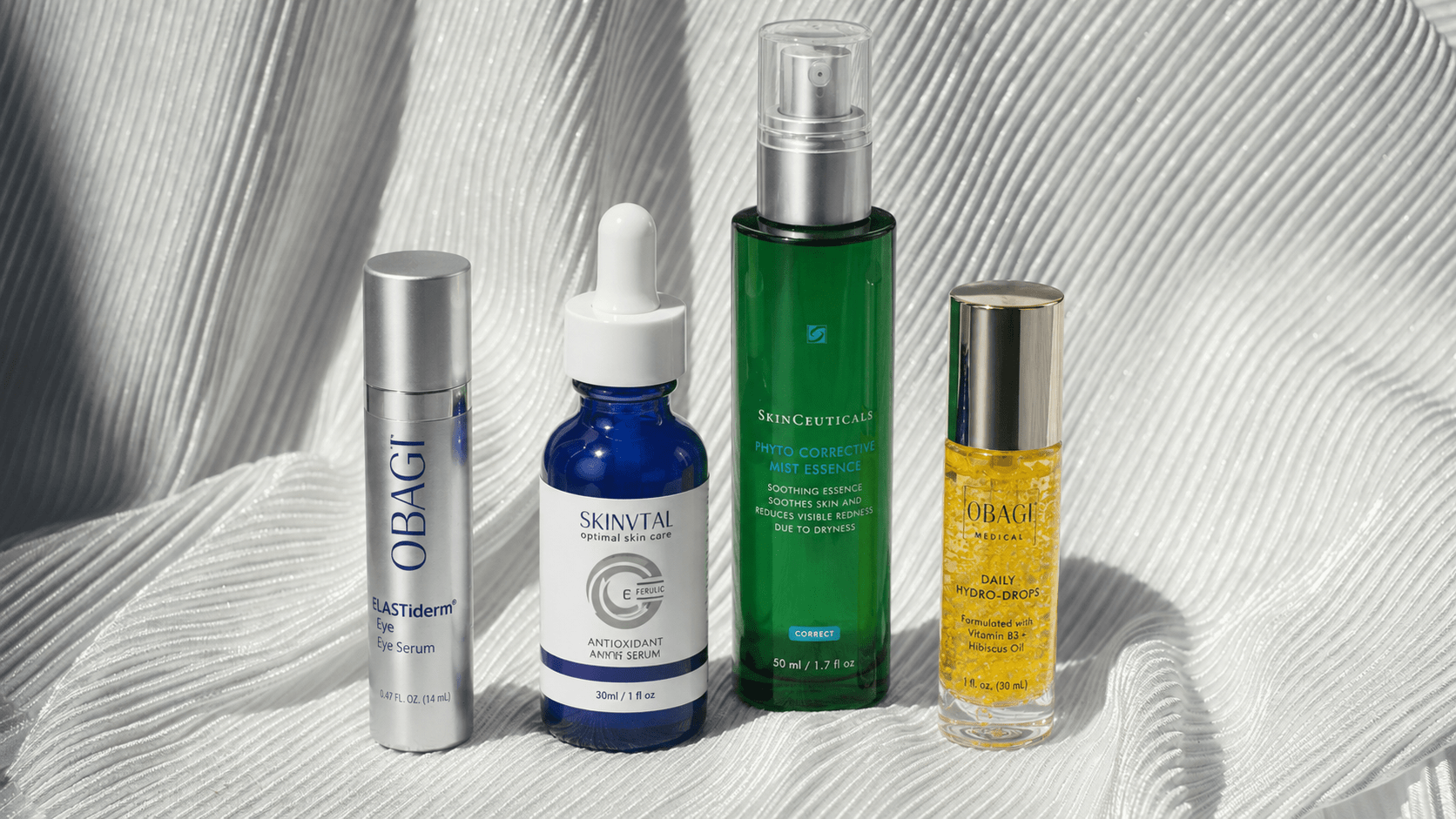
Travel can be exciting, but it can also disrupt your skin. Changes in climate, dry aeroplane air, hotel air conditioning, different water, long days outdoors and a less consistent routine can all leave your complexion feeling dry, dull, oily or more sensitive than usual.
The best travel skincare routine is simple, reliable and easy to pack. You do not need your full bathroom shelf. You need a few essentials that keep your skin clean, hydrated, protected and comfortable while you are away.
Whether you are planning a weekend break, a business trip or a summer holiday, a smart travel routine can help your skin stay balanced from departure to return.
Why skin can change when you travel
When you travel, your skin has to adjust quickly. Even a short trip can affect hydration levels, oil production and sensitivity.
Common travel skin triggers include:
- Dry cabin air: Aeroplane cabins can make the skin feel tight and dehydrated.
- Air conditioning: Hotels, cars and airports can reduce moisture in the skin.
- Climate changes: Moving from cold to warm weather, or from humid to dry air, can affect your routine.
- Different water: Hard or unfamiliar water can make skin feel dry or reactive.
- More sun exposure: Walking, sightseeing and beach days increase UV exposure.
- Disrupted sleep: Tiredness can make dullness, puffiness and breakouts more noticeable.
- Less consistent cleansing: Late nights or travel fatigue can lead to congestion.
A good travel skincare kit should prepare your skin for all of these changes without making your routine complicated.
Step 1: pack a gentle cleanser
A cleanser is one of the most important travel skincare essentials. It removes SPF, makeup, sweat, pollution and impurities from the day.
When travelling, choose a cleanser that feels gentle and does not leave the skin tight.
Good options include:
- Cream cleansers for dry or sensitive skin
- Gel cleansers for normal, combination or oily skin
- Cleansing balms for makeup and SPF removal
- Travel-size cleansers to save space
If you wear makeup or water-resistant SPF, double cleansing in the evening can be helpful. Use a balm or oil cleanser first, then follow with a gentle cleanser.
Try not to rely only on face wipes. They can be convenient in emergencies, but they may not cleanse thoroughly and can sometimes irritate the skin if used too often.
Step 2: choose one hydrating serum
Travel often makes the skin dehydrated, especially if you are flying or spending time in air-conditioned spaces.
A hydrating serum can help keep the skin looking plumper, fresher and more comfortable.
Look for ingredients such as:
- Hyaluronic acid: Helps attract and hold water in the skin.
- Glycerin: Supports softness and hydration.
- Panthenol: Helps comfort dry-feeling skin.
- Niacinamide: Supports the barrier and helps balance the look of oiliness.
- Aloe vera: Can help refresh and soothe the skin.
A hydrating serum is useful for almost every skin type, including oily and blemish-prone skin. Apply it before moisturiser, morning and evening if needed.
Step 3: bring a moisturiser that suits the destination
Your moisturiser should match both your skin type and the climate you are travelling to.
For city breaks or colder destinations, you may want a richer moisturiser to protect against wind, dry air and indoor heating.
For warm or humid destinations, a lighter gel-cream or lotion may feel more comfortable.
As a guide:
- Dry skin: Choose a richer cream or nourishing moisturiser.
- Oily skin: Choose a lightweight gel or oil-free lotion.
- Combination skin: Choose a balanced moisturiser and layer only where needed.
- Sensitive skin: Choose a calming, barrier-supporting formula.
- Mature skin: Choose a hydrating moisturiser with peptides, ceramides or lipids.
Products such as Obagi Hydrate or SkinCeuticals Triple Lipid Restore 2:4:2 can be useful depending on your skin’s moisture needs and destination.
Step 4: make SPF the most important product in your bag
SPF is essential when travelling. You may spend more time outdoors than usual, even if you are not going on a beach holiday.
Walking around a city, sitting by a window, driving, hiking or eating outdoors can all increase UV exposure.
Choose a broad-spectrum SPF and apply it every morning as the final step in your skincare routine.
Do not forget:
- Face
- Neck
- Ears
- Chest
- Hairline
- Backs of hands
- Lips, using a lip SPF
If you are outdoors for long periods, sweating or swimming, reapply regularly.
SPF is especially important if you use vitamin C, retinol or exfoliating acids in your routine.
Step 5: simplify your active ingredients
Travel is not the best time to test multiple new active products. Your skin is already adjusting to a new environment, so a complicated routine can increase the risk of irritation.
Before your trip, decide which active ingredients are truly necessary.
You may want to pack:
- Vitamin C for morning radiance and antioxidant support
- Retinol if your skin already uses it regularly
- A gentle exfoliant if your skin tolerates it
- Salicylic acid for blemish-prone skin
- Niacinamide for barrier support and balance
Avoid starting a new retinol, strong acid or peel while travelling. If your skin becomes irritated away from home, it can be harder to calm it down.
Step 6: plan for breakouts and congestion
Travel breakouts are common. They can be triggered by stress, sweat, SPF, long flights, humidity, makeup or inconsistent cleansing.
If you are prone to blemishes, pack one targeted product rather than several harsh treatments.
Helpful options include:
- Salicylic acid spot treatment
- Lightweight moisturiser
- Gentle cleanser
- Non-comedogenic SPF
- Hydrocolloid patches for individual blemishes
Try not to pick at spots while travelling. This can increase redness, irritation and post-blemish marks.
If your skin feels congested, focus on cleansing properly at night and keeping your routine consistent.
Step 7: protect your skin barrier while flying
Flying can leave skin feeling dry and tight because cabin air has low humidity.
Before a flight, use a hydrating serum and moisturiser to help support comfort. If your skin is very dry, you may want to apply a richer cream before boarding.
During the flight:
- Drink water regularly
- Avoid applying too many products with unclean hands
- Use lip balm
- Skip heavy makeup if your skin feels dry
- Apply moisturiser if needed
After landing, cleanse gently and rehydrate your skin. Do not use a strong exfoliant immediately if your skin feels tight or sensitive.
Step 8: do not forget lips, eyes and body
A good travel skincare kit should include more than face products.
Useful extras include:
- Lip balm with SPF: Especially for sunny destinations.
- Eye cream: Helpful for puffiness, dryness or tired-looking eyes.
- Hand cream: Travel and hand washing can dry the skin.
- Body SPF: Essential for holidays and outdoor days.
- Body moisturiser: Useful after sun, swimming or long flights.
- After-sun or soothing lotion: Helpful if skin feels warm or dry.
These products do not need to be complicated, but they can make your routine feel more complete while away.
Travel skincare packing checklist
A simple travel skincare kit could include:
- Gentle cleanser
- Hydrating serum
- Moisturiser
- Broad-spectrum face SPF
- Body SPF
- Lip balm with SPF
- Eye cream
- Spot treatment if needed
- Gentle exfoliant if your skin tolerates it
- Richer cream or balm for dry areas
For a short trip, choose travel sizes or decant products into clean containers. For longer holidays, bring full sizes of the products you use every day, especially SPF.
What not to do while travelling
To keep your skin calm and balanced, try to avoid:
- Starting strong new active ingredients
- Skipping cleansing after SPF
- Using face wipes as your only cleanser every day
- Forgetting to reapply SPF outdoors
- Over-exfoliating after a flight
- Picking blemishes
- Using heavy creams in hot, humid climates if they clog your skin
- Packing too many products you will not use
Travel skincare should make your routine easier, not more stressful.
A simple travel skincare routine
A balanced travel routine could look like this:
Morning:
- Gentle cleanse or rinse
- Hydrating or antioxidant serum
- Moisturiser
- Broad-spectrum SPF
Evening:
- Remove SPF and makeup
- Cleanse gently
- Hydrating serum or regular treatment
- Moisturiser
If your skin becomes sensitive, pause actives and focus on hydration, moisturiser and SPF until it feels calm again.
The takeaway
The best travel skincare routine is simple, consistent and built around your destination.
Pack the essentials: gentle cleanser, hydrating serum, moisturiser and SPF. Add targeted products only if your skin already uses them and tolerates them well.
With a few reliable products, you can keep your skin hydrated, protected and balanced wherever your next trip takes you.


