

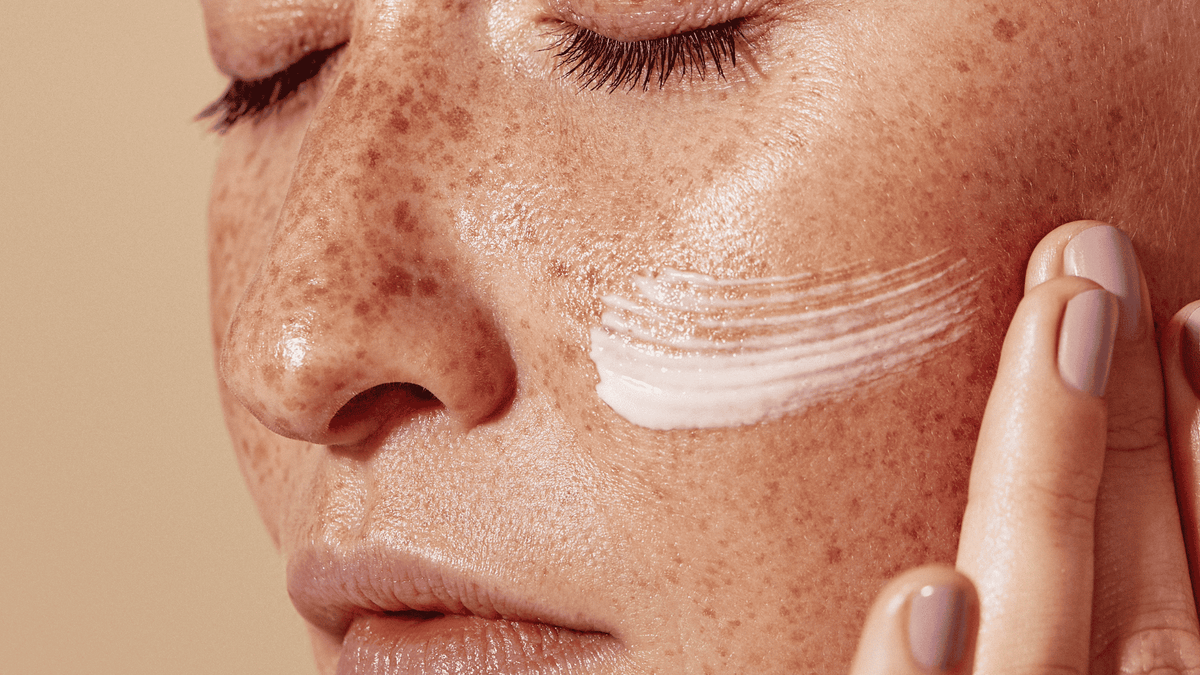
As the weather becomes brighter and we spend more time outdoors, pigmentation can start to look more noticeable. Dark spots, post-blemish marks, uneven tone and melasma-prone areas may all appear stronger as spring begins.
This does not always mean the pigmentation is new. In many cases, existing uneven tone becomes more visible when UV exposure increases.
The best approach is prevention. A consistent spring skincare routine with daily SPF, antioxidant support and gentle brightening ingredients can help protect the skin before pigmentation becomes harder to manage.
What is pigmentation?
Pigmentation refers to areas of the skin that appear darker than the surrounding skin. This happens when the skin produces more melanin in certain areas.
Melanin is the pigment that gives skin its colour. It is also part of the skin’s natural defence system against UV exposure.
Common types of pigmentation include:
- Dark spots: Small areas of discolouration often linked to sun exposure.
- Post-blemish marks: Dark marks left behind after spots or breakouts.
- Melasma: Larger patches of pigmentation, often influenced by hormones and sun exposure.
- Uneven skin tone: A general lack of uniformity in the complexion.
- Sun damage: Pigmentation caused or worsened by repeated UV exposure.
Pigmentation can affect all skin tones, although it may look different depending on your natural complexion.
Why pigmentation becomes more visible in spring
Spring is a key time for pigmentation because UV exposure starts to increase. Even if the weather does not feel hot, your skin is still exposed to UVA and UVB rays.
After winter, many people also spend more time outside, walk more, travel more or sit near brighter windows.
Pigmentation can become more noticeable because of:
- More UV exposure: Sunlight can trigger melanin production.
- Inconsistent SPF use: Many people use less sunscreen during winter and early spring.
- Post-winter dullness: A dull complexion can make uneven tone look stronger.
- Active ingredients: Retinol and acids can make SPF even more important.
- Heat and light: For some people, warmth and visible light may worsen pigmentation.
- Old marks resurfacing: Existing pigmentation can darken again when exposed to sun.
This is why spring is the right time to build stronger protection habits.
Step 1: use SPF every morning
SPF is the most important step when preventing pigmentation.
Brightening serums can help improve the look of uneven tone, but they will not work as well if the skin is not protected from UV exposure.
Use a broad-spectrum SPF every morning, even when it is cloudy.
Apply it to:
- Face
- Neck
- Ears
- Chest
- Hairline
- Backs of hands
If you are outdoors, sweating or touching your face often, reapply during the day.
For pigmentation-prone skin, consistency matters more than using SPF only on sunny days.
Step 2: choose broad-spectrum protection
When choosing sunscreen, look for broad-spectrum protection. This means the formula helps protect against both UVA and UVB rays.
UVA rays are linked with premature ageing, pigmentation and uneven tone. They are present throughout the year and can pass through clouds and windows.
UVB rays are more associated with sunburn and become stronger during sunnier months.
Both can affect pigmentation, so daily broad-spectrum SPF is essential.
If you do not enjoy the texture of your sunscreen, try a different formula. The best SPF is one you can wear every day without hesitation.
Step 3: add vitamin C in the morning
Vitamin C is a popular ingredient for pigmentation-prone skin because it can help improve the look of uneven tone and support a brighter complexion.
It also works well in a morning routine under SPF.
Vitamin C may be useful for:
- Dullness
- Uneven tone
- Dark spots
- Post-blemish marks
- Environmental stress
- Loss of radiance
A product such as SkinCeuticals C E Ferulic can be a strong morning antioxidant option for those looking to support brightness and environmental protection.
If your skin is sensitive, introduce vitamin C slowly and keep the rest of your routine simple.
Step 4: use niacinamide for uneven tone and barrier support
Niacinamide is a useful ingredient for pigmentation-prone skin because it supports the skin barrier and can help improve the look of uneven tone.
It is also helpful if your skin is sensitive, oily or prone to redness.
Niacinamide may help with:
- Uneven-looking tone
- Visible pores
- Redness
- Barrier support
- Oil balance
- General skin resilience
A strong skin barrier is important when treating pigmentation. If the skin becomes irritated, pigmentation can sometimes look worse, especially after breakouts or inflammation.
Step 5: exfoliate gently
Gentle exfoliation can help improve the look of uneven texture and dullness. It may also help the skin look brighter by removing dead skin cells from the surface.
However, too much exfoliation can irritate the skin and weaken the barrier. This can be a problem if you are already prone to pigmentation.
Good options include:
- Lactic acid: A gentle AHA for dull or dry-looking skin.
- Mandelic acid: A mild option for sensitive or blemish-prone skin.
- Glycolic acid: Useful for texture and dullness if your skin tolerates it.
- Salicylic acid: Helpful for oily, congested or blemish-prone skin.
Start once or twice a week. If your skin becomes red, tight or irritated, reduce frequency and focus on hydration.
Step 6: be careful with retinol
Retinol can help improve the look of uneven tone, texture and signs of ageing, but it must be used carefully if pigmentation is your concern.
Always use retinol at night and apply SPF every morning.
To reduce irritation:
- Start slowly
- Use retinol on dry skin
- Moisturise well
- Avoid acids on the same night
- Reduce frequency if skin becomes dry
- Support the barrier on non-retinol nights
If retinol causes irritation or peeling, pause and focus on barrier repair. Irritated skin is not the best foundation for treating pigmentation.
Step 7: protect your skin beyond skincare
SPF is essential, but extra protection can also help, especially if you are pigmentation-prone.
Try to:
- Wear sunglasses
- Use a wide-brimmed hat in strong sun
- Seek shade during peak sunlight
- Reapply SPF when outdoors
- Avoid unnecessary sun exposure
- Protect the chest and hands, not just the face
Pigmentation prevention is about daily habits, not just one product.
What not to do if you have pigmentation
When trying to fade dark spots, it can be tempting to use strong products aggressively. But irritation can make the skin look worse.
Try not to:
- Skip SPF
- Use brightening products without sun protection
- Over-exfoliate
- Pick at blemishes
- Start too many actives at once
- Use retinol too often too soon
- Forget the neck and chest
- Expect instant results
Pigmentation takes time to improve. Consistency is more important than intensity.
A simple spring routine for pigmentation-prone skin
A balanced routine could look like this:
Morning:
- Gentle cleanser
- Vitamin C or niacinamide serum
- Lightweight moisturiser
- Broad-spectrum SPF
Evening:
- Cleanse
- Retinol, gentle exfoliant or hydrating serum depending on the night
- Barrier-supporting moisturiser
Keep retinol and exfoliating acids on separate nights if your skin is sensitive.
The takeaway
Pigmentation can become more visible in spring because UV exposure increases, even before summer begins. Dark spots, post-blemish marks and uneven tone are usually easier to prevent than to correct.
The most important step is daily broad-spectrum SPF. Add antioxidant support, gentle exfoliation and barrier-friendly ingredients to help keep the skin looking brighter and more even.
Start your pigmentation prevention routine early in spring, not after dark spots become more noticeable.


