

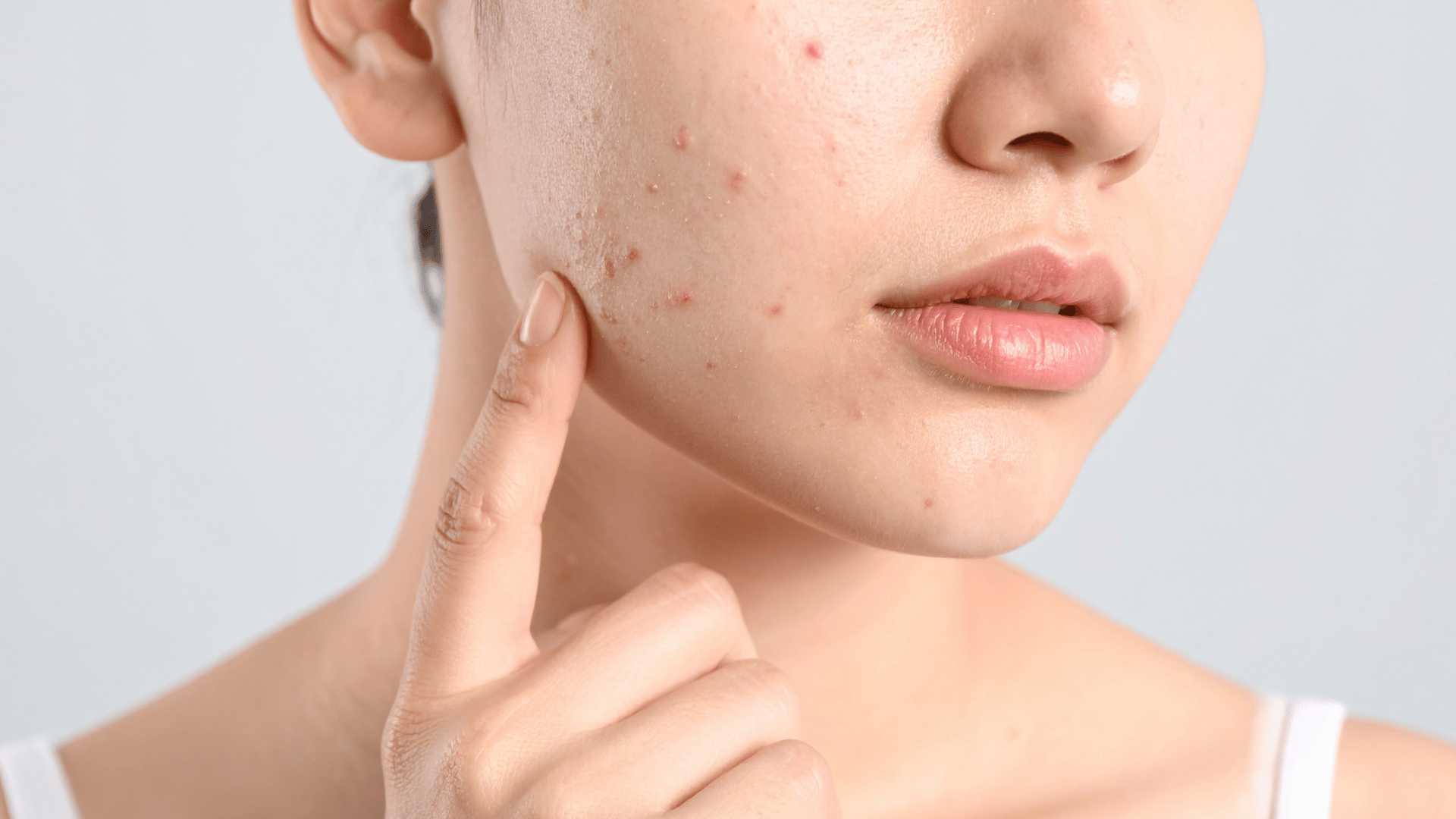
After summer, you may notice more breakouts, clogged pores or uneven texture than usual. This can feel frustrating, especially if your skin looked clearer while you were away.
Post-summer acne is common. Heat, sweat, SPF, travel, humidity, makeup, salt water and changes in routine can all contribute to congestion.
The best way to calm summer breakouts is not to strip the skin. It is to cleanse properly, use targeted ingredients, keep the barrier supported and stay consistent with SPF.
Why breakouts can appear after summer
Summer can create the perfect conditions for clogged pores. Throughout the day, sweat mixes with oil, sunscreen, makeup and pollution. If this build-up is not removed properly, pores can become congested.
Common post-summer breakout triggers include:
- SPF build-up: Sunscreen is essential, but it needs to be removed properly at night.
- Sweat and oil: Heat can increase shine and congestion.
- Humidity: Can make skin feel sticky and more prone to clogged pores.
- Travel: Flights, stress and disrupted routines can affect the skin.
- Makeup over SPF: Layers of product can trap oil and sweat.
- Salt water and chlorine: Can dry the skin and disrupt the barrier.
- Inconsistent cleansing: Late nights or holidays can make routines less regular.
Breakouts after summer are often a sign that the skin needs balance, not punishment.
Step 1: cleanse thoroughly at night
Cleansing is one of the most important steps for post-summer breakouts.
If you wear SPF every day, especially water-resistant sunscreen, a single quick cleanse may not be enough.
Try double cleansing in the evening:
- Use a cleansing balm or oil to remove SPF, makeup and excess oil
- Follow with a gentle gel, cream-gel or foaming cleanser
Your skin should feel clean but not tight.
Avoid harsh cleansers that leave the face feeling stripped. Over-cleansing can weaken the skin barrier, which may make breakouts look more red and irritated.
Step 2: use salicylic acid for clogged pores
Salicylic acid is one of the most useful ingredients for clogged pores and blemish-prone skin.
It is a beta hydroxy acid, or BHA, which means it can work inside the pores. This makes it especially helpful for blackheads, congestion and oily areas.
Salicylic acid may help with:
- Blackheads
- Clogged pores
- Blemishes
- Uneven texture
- Excess oil
- Congestion around the nose and chin
Start slowly. Use salicylic acid a few times a week rather than every night, especially if your skin feels dry or sensitive after summer.
If your skin becomes tight, flaky or irritated, reduce frequency and focus on hydration.
Step 3: keep moisturiser in your routine
When breakouts appear, many people stop using moisturiser. But acne-prone skin still needs hydration and barrier support.
Skipping moisturiser can leave the skin dehydrated, which may make it feel tight underneath surface oil. A weakened barrier can also make blemishes look more inflamed.
Choose a lightweight moisturiser that hydrates without heaviness.
Good textures include:
- Gel moisturiser
- Gel-cream
- Lightweight lotion
- Oil-free moisturiser
- Hydrating fluid
Look for ingredients such as hyaluronic acid, glycerin, niacinamide, panthenol and lightweight ceramides.
Your moisturiser should calm and support the skin, not clog it.
Step 4: use niacinamide for balance
Niacinamide is a helpful ingredient for post-summer breakouts because it supports both the skin barrier and oil balance.
It may help improve the look of:
- Visible pores
- Uneven tone
- Redness
- Post-blemish marks
- Excess shine
- Barrier weakness
Niacinamide can be especially useful if your skin feels both oily and dehydrated after summer.
It can be used in a serum, moisturiser or SPF depending on your routine.
Step 5: avoid over-exfoliating
When breakouts appear, it can be tempting to use acids, scrubs and spot treatments all at once. But over-exfoliating can make the skin barrier weaker and increase irritation.
Signs you may be doing too much include:
- Stinging when applying products
- Redness
- Peeling
- Tightness
- Burning sensation
- Breakouts looking more inflamed
- Skin feeling shiny but uncomfortable
Use one targeted exfoliating product at a time. If you are using salicylic acid, avoid adding strong glycolic acid, scrubs or peeling masks in the same routine.
A calm barrier helps breakouts heal better.
Step 6: treat blemishes locally
Spot treatments can be helpful, but they should be used carefully.
Apply targeted products only where needed rather than drying out the whole face.
Options may include:
- Salicylic acid spot treatment
- Benzoyl peroxide if your skin tolerates it
- Hydrocolloid patches
- Calming gel for redness
- Niacinamide serum for barrier support
Try not to pick or squeeze blemishes. This can increase redness, irritation and post-blemish pigmentation, especially after summer sun exposure.
Step 7: keep using SPF
SPF is still important when you have breakouts. In fact, it is essential if you want to reduce the look of post-blemish marks.
UV exposure can make dark marks last longer and appear more noticeable.
Choose a lightweight, non-comedogenic SPF if your skin is prone to congestion.
Apply SPF every morning as the final step in your routine and cleanse it off properly at night.
Do not stop using sunscreen because of acne. Find a texture that suits your skin instead.
Step 8: check your summer products
Sometimes post-summer breakouts are linked to products that were useful during holiday but feel too heavy once you are back home.
Review your routine and check whether you are still using:
- Very rich SPF
- Heavy oils
- Thick creams
- Occlusive balms across the whole face
- Heavy makeup layers
- Hair products that touch the face or back
- Body SPF on the face
You may not need to remove these products completely, but you may need lighter textures for everyday use.
A simple post-summer acne routine
A balanced routine could look like this:
Morning:
- Gentle cleanser
- Niacinamide or lightweight hydrating serum
- Lightweight moisturiser
- Broad-spectrum SPF
Evening:
- First cleanse to remove SPF and makeup
- Gentle second cleanse
- Salicylic acid on selected nights
- Lightweight moisturiser
If your skin feels sensitive, pause acids for a few days and focus on cleansing, hydration, moisturiser and SPF.
What not to do with acne after summer
To avoid making breakouts worse, try not to:
- Pick or squeeze spots
- Use harsh scrubs
- Apply drying treatments everywhere
- Skip moisturiser
- Stop wearing SPF
- Use too many acids at once
- Wash your face too often
- Sleep in SPF or makeup
- Start several new products at the same time
Post-summer acne needs patience and consistency.
The takeaway
Acne after summer is common and often linked to sweat, SPF, oil, travel and disrupted routines. The solution is not to strip the skin, but to bring it back into balance.
Cleanse thoroughly at night, use salicylic acid carefully, choose lightweight hydration and keep wearing SPF every morning.
With a calm and consistent routine, post-summer breakouts can become easier to manage.


