

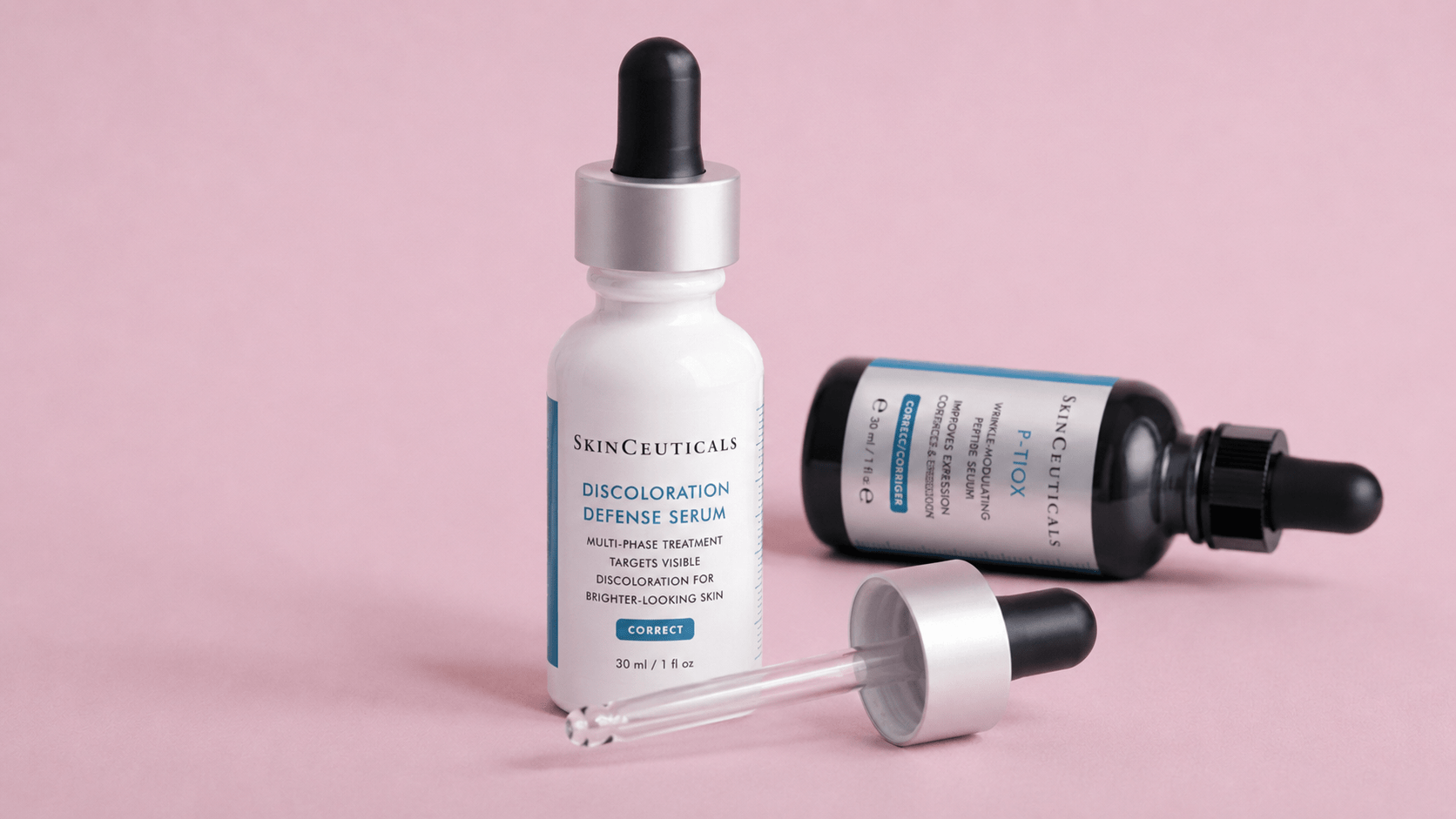
Summer is one of the most important seasons for pigmentation prevention. As UV exposure increases, dark spots, post-blemish marks, melasma-prone areas and uneven tone can become more noticeable.
Pigmentation is often easier to prevent than it is to correct. Once dark spots deepen, they can take months of consistent skincare to improve.
The best summer pigmentation routine should focus on daily SPF, antioxidant support, gentle brightening ingredients and a healthy skin barrier.
Why pigmentation becomes worse in summer
Pigmentation happens when the skin produces more melanin in certain areas. Melanin is the pigment that gives skin its colour, but it can also create darker patches or spots when production becomes uneven.
In summer, pigmentation can become more visible because of increased UV exposure, heat and more time outdoors.
Common summer triggers include:
- UV exposure: Sunlight can trigger melanin production.
- Heat: Warm weather can make some pigmentation concerns more noticeable.
- Post-blemish marks: Breakouts can leave darker marks, especially when exposed to sun.
- Inconsistent SPF use: Skipping sunscreen allows pigmentation to deepen.
- Over-exfoliation: Irritation can make uneven tone look worse.
- Hormonal changes: Melasma-prone skin can be more reactive to sunlight.
This is why prevention is so important during warmer months.
Step 1: make SPF your most important product
SPF is the foundation of any pigmentation routine.
Brightening serums and exfoliating products can help improve the look of uneven tone, but they will not work well if your skin is not protected from UV exposure.
Use a broad-spectrum SPF every morning, even when it is cloudy.
Apply it to:
- Face
- Neck
- Ears
- Chest
- Hairline
- Backs of hands
If you are outdoors, sweating, swimming or spending time in direct sun, reapply regularly throughout the day.
For pigmentation-prone skin, SPF is not optional. It is the product that protects the results of the rest of your routine.
Step 2: choose broad-spectrum protection
A good sunscreen should protect against both UVA and UVB rays.
UVA rays are linked with premature ageing, pigmentation and uneven tone. They are present throughout the year and can pass through clouds and windows.
UVB rays are more associated with sunburn and are stronger during sunnier months.
Both types of UV rays can affect pigmentation, so broad-spectrum protection is essential.
If your skin is prone to dark spots, you may prefer SPF 50, especially during summer or when spending more time outdoors.
The best SPF is one you enjoy using every day. If your current sunscreen feels greasy, heavy or uncomfortable, try a different texture rather than skipping it.
Step 3: use vitamin C in the morning
Vitamin C is a useful ingredient for pigmentation-prone skin because it can help support a brighter-looking complexion and improve the appearance of uneven tone.
It is often used in the morning because it pairs well with SPF.
Vitamin C may help with:
- Dullness
- Uneven tone
- Dark spots
- Post-blemish marks
- Loss of radiance
- Environmental stress
A product such as SkinCeuticals C E Ferulic can be a strong morning antioxidant option for those looking to support radiance and environmental protection.
If your skin is sensitive, introduce vitamin C gradually and keep the rest of your routine simple.
Step 4: add niacinamide for barrier support and uneven tone
Niacinamide is another helpful ingredient for pigmentation-prone skin. It supports the skin barrier and can help improve the look of uneven tone, redness and visible pores.
It is especially useful if your skin becomes oily, sensitive or breakout-prone in summer.
Niacinamide may help support:
- A stronger skin barrier
- A more even-looking complexion
- Reduced visible redness
- Oil balance
- Post-blemish mark care
- General skin resilience
A strong skin barrier is important because irritation can make pigmentation look worse. If your skin is inflamed, over-exfoliated or reactive, focus on calming and repair before adding more brightening products.
Step 5: exfoliate gently, not aggressively
Gentle exfoliation can help remove dead skin cells from the surface and make the complexion look smoother and brighter.
However, over-exfoliation is one of the biggest mistakes when trying to treat pigmentation.
Too much exfoliation can cause irritation, dryness and barrier damage. This can lead to more visible redness, sensitivity and post-inflammatory pigmentation.
Good options include:
- Lactic acid: A gentler AHA for dull or dry-looking skin.
- Mandelic acid: A mild option for sensitive or blemish-prone skin.
- Glycolic acid: Useful for texture and dullness if your skin tolerates it.
- Salicylic acid: Helpful for oily skin, congestion and post-blemish marks.
Use exfoliating acids once or twice a week, depending on your skin tolerance.
Always wear SPF the next morning.
Step 6: be careful with retinol in summer
Retinol can help improve the look of texture, fine lines and uneven tone, but it needs to be used carefully in summer.
If you already use retinol and your skin tolerates it well, you do not necessarily need to stop. However, daily SPF becomes even more important.
To use retinol safely in summer:
- Apply it only in the evening
- Keep it away from nights when you exfoliate
- Moisturise well
- Reduce frequency if your skin feels dry or irritated
- Avoid using it after too much sun exposure
- Wear broad-spectrum SPF every morning
If you are new to retinol, avoid starting it right before a sunny holiday. Wait until your routine is stable and you can commit to sun protection.
Step 7: protect post-blemish marks
Post-blemish marks can become darker and last longer when exposed to UV rays.
If you are prone to breakouts, summer pigmentation prevention should include blemish care as well as sun protection.
To reduce the chance of marks becoming more visible:
- Avoid picking spots
- Use SPF every morning
- Cleanse thoroughly at night
- Use salicylic acid if your skin tolerates it
- Keep the skin barrier calm
- Use niacinamide for support
- Avoid harsh drying treatments across the whole face
The calmer the breakout heals, the less likely it is to leave a stubborn mark.
Step 8: protect more than your face
Pigmentation does not only happen on the face. The neck, chest, shoulders and hands are often exposed to the sun and can develop uneven tone over time.
Do not forget SPF on:
- Neck
- Décolletage
- Shoulders
- Arms
- Hands
- Ears
- Back of the neck
The hands and chest are especially common areas for sun spots, so include them in your morning routine.
If you use vitamin C or moisturiser on your face, you can often bring those products down to the neck and chest as long as your skin tolerates them.
Step 9: use extra sun protection
SPF is essential, but extra protection helps too.
If you are pigmentation-prone, try to:
- Wear sunglasses
- Use a wide-brimmed hat in strong sun
- Seek shade during peak sunlight
- Reapply SPF regularly
- Avoid unnecessary direct sun exposure
- Wear protective clothing when possible
- Keep SPF in your bag for top-ups
These small habits can make a big difference during summer.
What not to do if you have pigmentation
When treating pigmentation, more aggressive skincare is not always better.
Try not to:
- Skip SPF
- Use brightening products without sun protection
- Over-exfoliate
- Pick at blemishes
- Start too many actives at once
- Use retinol too often in summer
- Forget the neck, chest and hands
- Expect dark spots to fade overnight
- Apply strong acids to irritated skin
Pigmentation needs patience. A calm, consistent routine is usually more effective than an intense one.
A simple summer routine for pigmentation-prone skin
A balanced routine could look like this:
Morning:
- Gentle cleanser
- Vitamin C or niacinamide serum
- Lightweight moisturiser
- Broad-spectrum SPF
Evening:
- Remove SPF and makeup
- Gentle cleanser
- Retinol, gentle exfoliant or hydrating serum depending on the night
- Barrier-supporting moisturiser
If your skin feels sensitive, pause actives and focus on hydration, moisturiser and SPF.
The takeaway
Summer is pigmentation season because UV exposure, heat and outdoor time can make dark spots and uneven tone more visible.
The best way to protect your skin is with consistent daily SPF, antioxidant support, gentle exfoliation and barrier-friendly ingredients such as niacinamide.
Start prevention before pigmentation becomes more noticeable. Protect your face, neck, chest and hands every day.
When it comes to dark spots, consistency is more powerful than intensity.


