

After summer, your skin may need extra support. Sun exposure, heat, SPF, sweat, travel, air conditioning, salt water and chlorine can all leave the complexion feeling dry, dull, uneven or more sensitive than usual.
This is where serums can be especially helpful.
A good serum can target specific post-summer concerns such as dehydration, pigmentation, dullness, uneven texture or a weakened skin barrier. The key is choosing the right serum for what your skin actually needs.
Why your skin may need a serum after summer
Summer can affect the skin in several ways. Even if you used SPF consistently, your skin may still feel different by the end of the season.
Common post-summer concerns include:
- Dehydration: Skin may feel tight, dull or less plump.
- Pigmentation: Dark spots and uneven tone can become more visible.
- Dullness: Heat, travel and sun exposure can leave skin looking tired.
- Congestion: SPF, sweat and makeup can contribute to clogged pores.
- Sensitivity: The skin barrier may feel more reactive.
- Fine lines: Dehydration can make lines look more noticeable.
- Rough texture: Skin may feel uneven after sun, salt water or chlorine.
Serums are useful because they can focus on one or two concerns without making the whole routine too heavy.
Start with your main skin concern
Before choosing a serum, ask what your skin needs most.
Is your skin feeling dry and tight? Start with hydration.
Is your complexion uneven after summer? Focus on antioxidants and brightening ingredients.
Are you seeing more breakouts or clogged pores? Look for balancing or pore-focused ingredients.
Is your skin sensitive or irritated? Prioritise barrier support before using stronger actives.
A targeted serum works best when it matches your skin concern.
Hydrating serums for dehydrated skin
Hydration is one of the most important steps after summer. Heat, sun exposure, flights, air conditioning and swimming can all reduce water levels in the skin.
A hydrating serum can help the complexion look fresher, smoother and more comfortable.
Look for ingredients such as:
- Hyaluronic acid: Helps attract and hold water in the skin.
- Glycerin: Supports hydration and softness.
- Panthenol: Helps comfort dry-feeling skin.
- Aloe vera: Can help refresh and soothe.
- Beta-glucan: Helps support comfort and hydration.
Hydrating serums can be used morning and evening. Apply to slightly damp skin, then follow with moisturiser.
If your skin feels tight but also looks shiny, it may be dehydrated rather than simply oily.
Vitamin C serums for radiance and uneven tone
Vitamin C is a strong option if your skin looks dull, uneven or tired after summer. It can help support a brighter-looking complexion and works well in a morning routine before SPF.
Vitamin C may help improve the appearance of:
- Dullness
- Uneven tone
- Dark spots
- Post-blemish marks
- Loss of radiance
- Environmental stress
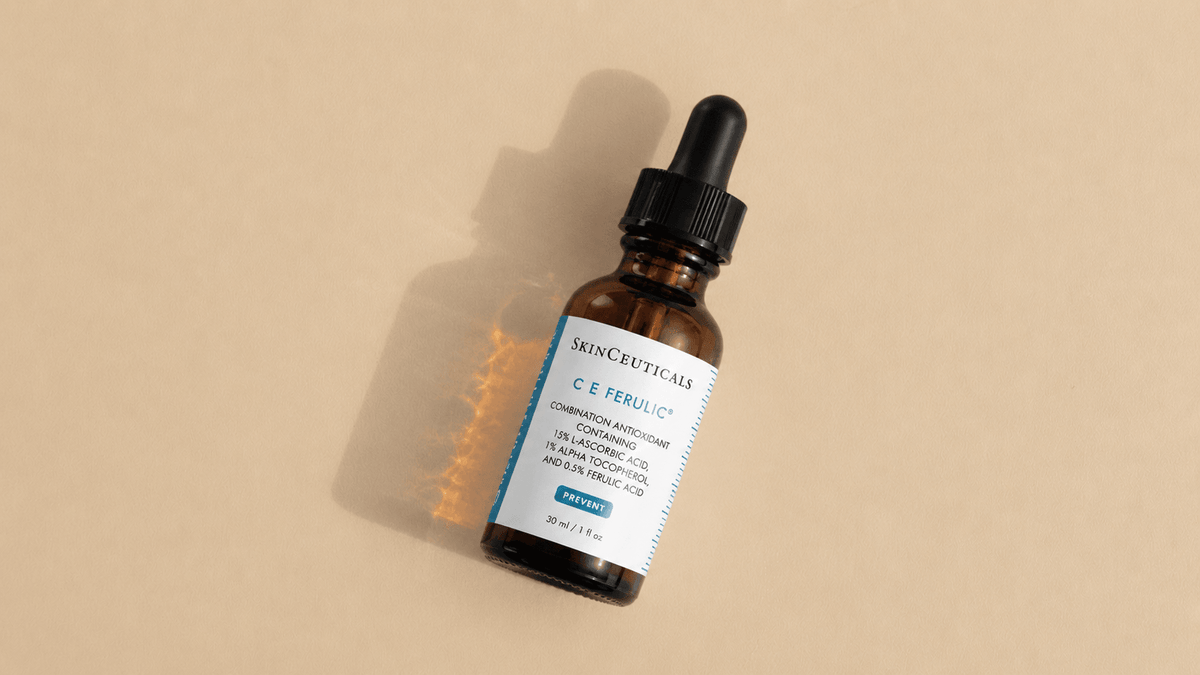
A product such as SkinCeuticals C E Ferulic can be a high-performance option for antioxidant support and visible radiance.
If your skin is sensitive after summer, introduce vitamin C gradually. Start a few mornings a week and increase only if your skin tolerates it.
Always follow vitamin C with SPF in the morning.
Niacinamide serums for balance and barrier support
Niacinamide is one of the most versatile post-summer ingredients. It can help support the skin barrier while improving the look of uneven tone, visible pores, redness and excess shine.
This makes it useful for many skin types, including oily, combination, sensitive and pigmentation-prone skin.
Niacinamide may help with:
- Barrier support
- Uneven-looking tone
- Visible pores
- Redness
- Oil balance
- Post-blemish marks
- General skin resilience
If your skin feels both oily and dehydrated after summer, niacinamide can be a good ingredient to include.
It also pairs well with hydrating serums, moisturisers and SPF.
Peptide serums for smoother-looking skin
Peptides are often used in serums designed to support smoother, firmer-looking skin. They can be a good choice after summer if your skin looks tired, dry or less resilient.
Peptide serums are usually well suited to routines focused on repair and comfort.
They may help the skin look:
- Smoother
- More rested
- More hydrated
- More resilient
- Softer in texture
Peptides pair well with moisturisers, hydrating serums and barrier-supporting ingredients.
If your skin is sensitive, peptides may feel easier to tolerate than stronger resurfacing products.
Salicylic acid serums for congestion
If your skin feels congested after summer, a salicylic acid serum may help.
Salicylic acid is a BHA, which means it can work inside the pores. This makes it useful for oily skin, blackheads and clogged pores.
It may help with:
- Breakouts
- Congestion
- Blackheads
- Oily T-zone
- Uneven texture
- Clogged pores from SPF and sweat
Use salicylic acid carefully. Start a few nights a week and avoid combining it with too many other active ingredients.
If your skin feels dry, tight or irritated, reduce frequency and focus on hydration and barrier support.
Barrier-supporting serums for sensitive skin
After summer, some skin types feel more sensitive than usual. Products may sting, redness may appear more easily and the skin may feel tight or uncomfortable.
In this case, barrier support should come before brightening or exfoliation.
Look for serums with:
- Niacinamide
- Panthenol
- Ceramides
- Glycerin
- Squalane
- Peptides
- Beta-glucan
These ingredients can help the skin feel more comfortable and better supported.
If your barrier feels compromised, pause strong acids and retinol until your skin feels calm again.
Can you use more than one serum?
You can use more than one serum, but you do not need to use many at once.
A simple approach is to choose one serum for the morning and one for the evening.
For example:
- Morning: vitamin C serum
- Evening: hydrating or barrier-supporting serum
Or:
- Morning: niacinamide serum
- Evening: peptide serum
If your skin is sensitive, keep the routine simple. Too many layers can increase the risk of irritation or pilling.
How to layer serums after summer
A simple serum routine should be easy to follow.
In the morning:
- Gentle cleanser
- Serum
- Moisturiser
- Broad-spectrum SPF
In the evening:
- Cleanse
- Serum
- Moisturiser
If using an exfoliating or retinol serum, apply it on selected evenings rather than every night, especially if your skin feels sensitive.
Hydrating serums can often be used more frequently than active exfoliating serums.
What serum should you choose?
Choose based on your main concern:
- Dehydration: Hyaluronic acid or glycerin serum
- Dullness: Vitamin C serum
- Pigmentation: Vitamin C, niacinamide or retinol if tolerated
- Congestion: Salicylic acid serum
- Sensitivity: Panthenol, niacinamide or barrier-supporting serum
- Fine lines: Peptides, vitamin C or retinol if tolerated
- Oiliness: Niacinamide or salicylic acid
If you are unsure, start with hydration and barrier support. Once your skin feels balanced, you can add more targeted ingredients.
Do not forget moisturiser and SPF
Serums are powerful, but they are not the whole routine.
After applying serum, use moisturiser to help seal in hydration and support the skin barrier.
In the morning, always finish with broad-spectrum SPF. This is especially important if you are treating pigmentation, using vitamin C, exfoliating acids or retinol.
A serum can help improve the look of the skin, but SPF protects your progress.
What not to do with post-summer serums
To avoid irritation, try not to:
- Start several active serums at once
- Use vitamin C, acids and retinol all in the same routine
- Apply active serums to irritated skin
- Skip moisturiser
- Forget SPF
- Use exfoliating serums every night when starting
- Ignore stinging or redness
- Expect pigmentation to fade quickly
Post-summer skin often needs patience. Start gently and build gradually.
The takeaway
After summer, serums can help target dehydration, dullness, pigmentation, congestion and barrier stress.
Choose your serum based on your skin’s main concern. Hydrating serums help restore plumpness, vitamin C supports radiance, niacinamide helps balance and strengthen the barrier, peptides support smoother-looking skin, and salicylic acid can help with congestion.
Keep your routine simple, moisturise well and use SPF every morning.
The right serum can help your skin recover from summer and look fresher, smoother and more balanced.


