

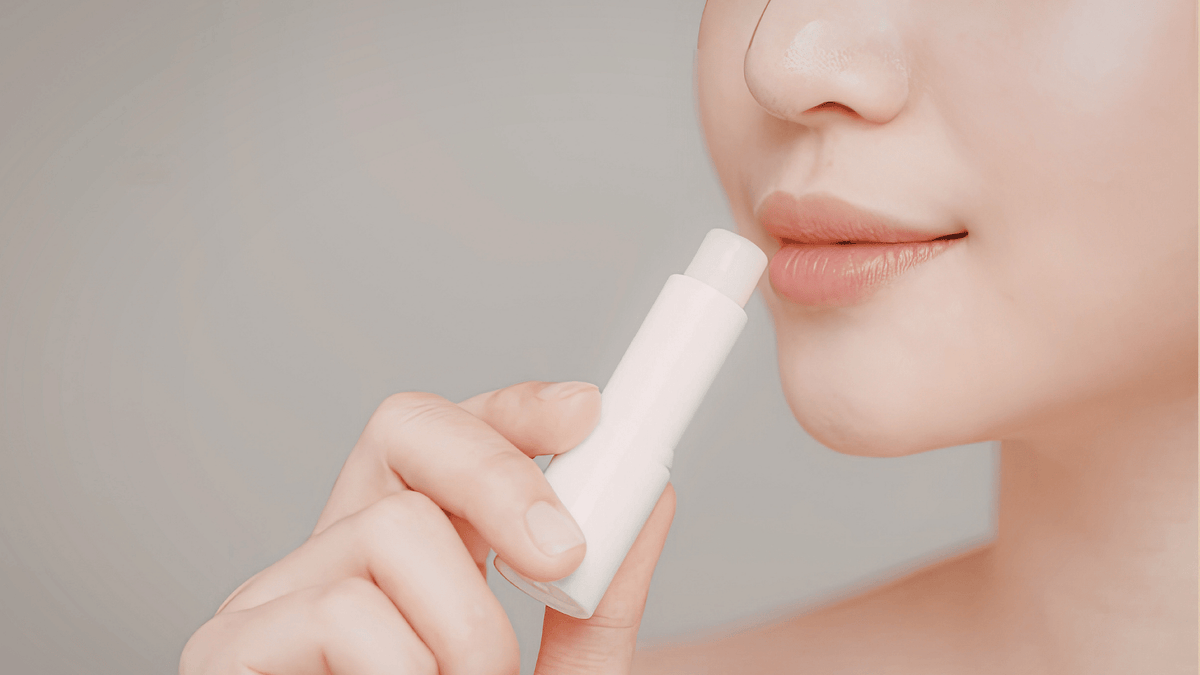
Dry lips are easy to ignore until they become uncomfortable. After summer holidays, long flights, windy beach days, air conditioning and sun exposure, the lips can feel tight, rough, cracked or more sensitive than usual.
The skin on the lips is delicate and does not have the same oil glands as the rest of the face. This means it can lose moisture quickly and become damaged more easily.
A good lip care routine should focus on gentle hydration, barrier protection and SPF, especially during and after summer.
Why lips become dry in summer
Many people associate dry lips with winter, but summer can be just as challenging. Sun exposure, wind, salt water, chlorine, air conditioning and travel can all affect the lips.
Common summer lip triggers include:
- Sun exposure: Lips can burn and become dry or sensitive.
- Wind: Beach days, boat trips and outdoor activities can increase moisture loss.
- Salt water and chlorine: Can leave lips feeling rough or tight.
- Air conditioning: Can dry out the lips during travel or in hotels.
- Dehydration: Heat and travel can reduce overall hydration.
- Lip licking: This can make dryness worse over time.
- Matte lip products: Some long-wear formulas can make lips feel drier.
The aim is to restore moisture and protect the lip barrier before cracking becomes worse.
Step 1: stop licking your lips
When lips feel dry, it is natural to lick them. But this usually makes the problem worse.
Saliva evaporates quickly and can leave the lips even drier. Repeated licking can also irritate the delicate lip skin and lead to more cracking or soreness.
Instead, keep a lip balm nearby and apply it whenever your lips feel tight.
Choose a balm that feels protective, not just glossy. The best lip care products help seal in moisture and reduce water loss.
Step 2: choose a nourishing lip balm
A good lip balm should comfort the lips and support the skin barrier. In summer, you may need both hydration and protection from environmental stress.
Look for ingredients such as:
- Shea butter: Helps soften and nourish dry lips.
- Squalane: Supports comfort without feeling too heavy.
- Lanolin: Can help protect and reduce moisture loss, if tolerated.
- Beeswax: Helps create a protective layer.
- Petrolatum: Helps seal in moisture.
- Ceramides: Support barrier comfort.
- Vitamin E: Often used for conditioning and antioxidant support.
If your lips are sensitive, avoid heavily fragranced or strongly flavoured balms, as these can sometimes encourage lip licking or irritation.
Step 3: use SPF on your lips
The lips are often forgotten when applying SPF, but they are exposed to UV rays just like the rest of the face.
Sun exposure can leave lips dry, sore, cracked or burned. Over time, UV damage can also contribute to premature ageing around the mouth.
Use a lip balm with SPF during the day, especially when you are outdoors.
Apply lip SPF before:
- Beach days
- Walks
- Outdoor meals
- Holidays
- Driving
- Sports
- Gardening
- Any time spent in direct sun
Reapply regularly, especially after eating, drinking or swimming.
Step 4: exfoliate only if needed
If your lips are flaky, you may be tempted to scrub them. But aggressive exfoliation can make cracked or sensitive lips worse.
Only exfoliate if the lips are not sore, split or bleeding.
Use a gentle lip scrub or a soft damp cloth with very light pressure. Follow immediately with a nourishing balm.
Avoid exfoliating lips that feel sunburned, raw or irritated. In that case, focus only on repair and protection.
For most people, lip exfoliation should be occasional, not daily.
Step 5: repair lips overnight
Night-time is a good opportunity to repair dry lips because the product can stay on for longer without being wiped away by food, drinks or SPF reapplication.
Before bed, apply a thicker balm or lip mask to help seal in moisture.
A simple evening lip routine could look like this:
- Remove makeup or lip colour gently
- Apply a hydrating serum around the mouth if suitable
- Use a nourishing lip balm or overnight lip mask
- Reapply if lips feel very dry
If the skin around the mouth is also dry, apply moisturiser around the lip area, but avoid putting strong facial actives directly onto the lips.
Step 6: be careful with active ingredients around the mouth
The skin around the mouth can become sensitive, especially if you use retinol, exfoliating acids or strong treatments.
These ingredients can sometimes migrate towards the lips and cause dryness or irritation.
If your lips are very dry, consider applying balm before using active ingredients in the evening. This can create a protective buffer.
Be careful with:
- Retinol
- Glycolic acid
- Salicylic acid
- Strong peels
- Acne treatments
- Fragranced products
- Harsh toothpaste if it irritates the corners of the mouth
If dryness keeps returning around the lips, look at whether your actives may be contributing.
Step 7: hydrate from the inside too
Lip care products help protect the lips, but hydration habits also matter.
During summer, dehydration can happen more easily because of heat, travel, alcohol, sweating and flights.
To support comfortable lips:
- Drink water regularly
- Use lip balm before flights
- Avoid licking or biting the lips
- Reapply lip SPF outdoors
- Use a richer balm before bed
- Avoid matte lip products when lips are cracked
- Use a humidifier if indoor air is very dry
Small habits can make lip dryness easier to manage.
What not to do when lips are dry
To avoid making dry lips worse, try not to:
- Pick or peel flaky skin
- Scrub cracked lips
- Use fragranced balms that sting
- Lick lips repeatedly
- Skip lip SPF outdoors
- Apply strong actives directly to the lips
- Use matte lip colour on cracked lips
- Ignore soreness at the corners of the mouth
Dry lips usually improve when they are protected consistently.
A simple summer lip care routine
A balanced lip care routine could look like this:
Morning:
- Apply nourishing lip balm
- Use lip SPF before going outside
- Reapply throughout the day
Evening:
- Remove lip products gently
- Apply moisturiser around the mouth if needed
- Use a richer balm or overnight lip mask
As needed:
- Gentle exfoliation only when lips are not sore
- Extra balm before flights or windy outdoor days
Keep lip care simple and consistent.
The takeaway
Dry lips after sun, wind and summer travel are common, but they can usually be improved with the right care.
Avoid licking or picking, use a nourishing balm, protect your lips with SPF during the day and apply a richer treatment at night.
If your lips are cracked, sore or sunburned, skip exfoliation and focus on repair.
Healthy summer lip care is about protection, hydration and consistency.


