

Winter skin can often look dull, tired or uneven. Cold weather, central heating, lower humidity and a slower skin renewal cycle can all make the complexion appear flat, even when your routine has not changed.
The good news is that you do not need a harsh routine to bring back glow. In fact, winter skin usually responds best to a combination of hydration, barrier support, gentle exfoliation and daily protection.
The key is choosing ingredients that brighten and smooth the skin without causing unnecessary irritation.
Why skin can look dull in winter
During the colder months, your skin is exposed to several seasonal stressors at once. Outdoor air is colder and drier, while indoor heating can reduce moisture in the skin. This can leave the complexion looking less fresh and less radiant.
Winter dullness is often linked to:
- Dehydration: Skin reflects light less evenly when it lacks water.
- Dryness: A lack of oil can make the skin look rough or flaky.
- Dead skin build-up: Slower skin turnover can make the complexion look uneven.
- A weakened skin barrier: Irritated skin often appears red, dull or tired.
- Less consistent SPF use: UV exposure can still contribute to uneven tone, even in winter.
A winter glow routine should not be aggressive. It should help the skin look smoother, brighter and more comfortable.
Vitamin C for brightness and antioxidant support
Vitamin C is one of the most popular ingredients for brightening the look of dull skin. It is often used in morning routines to support radiance and help protect against environmental stressors.
It can be especially useful if your skin looks tired, uneven or lacks luminosity after the festive season.
Vitamin C may help with:
- Dullness
- Uneven-looking skin tone
- Loss of radiance
- Environmental damage support
- Early signs of ageing
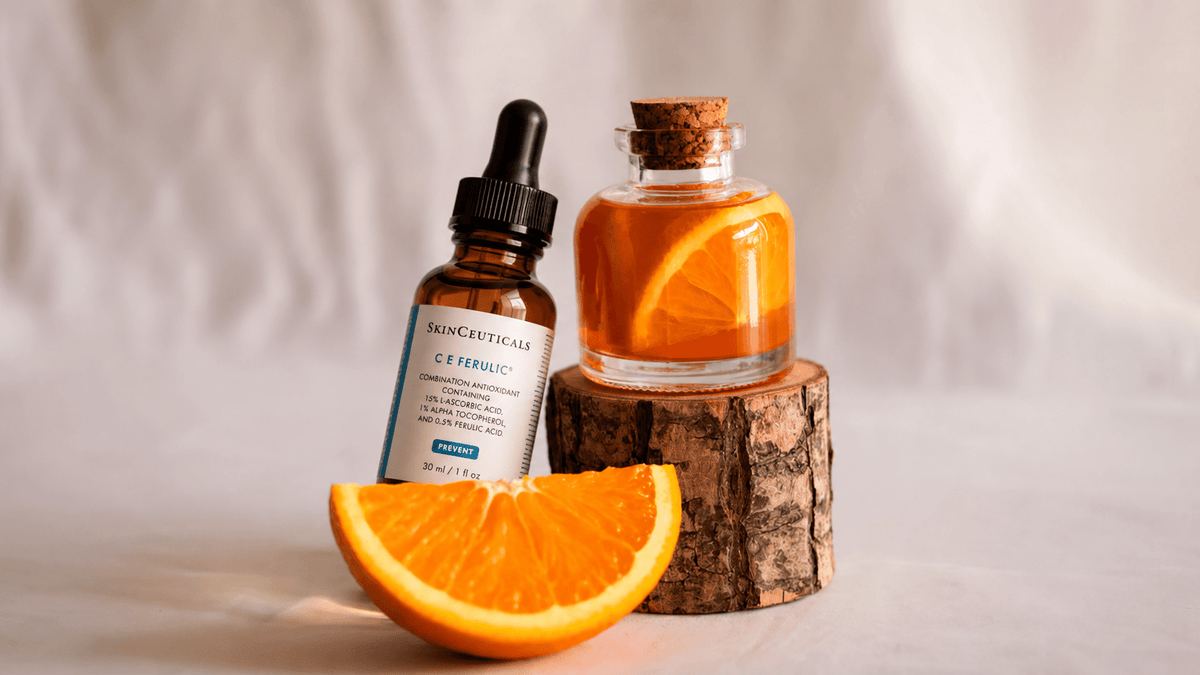
A product such as SkinCeuticals C E Ferulic is a strong option for those looking for a high-performance antioxidant serum. It works well in a morning routine before moisturiser and SPF.
If your skin is sensitive, introduce vitamin C slowly and avoid combining it with too many other active ingredients at once.
Hyaluronic acid for hydration and plumpness
Hydration is one of the quickest ways to improve the appearance of winter skin. When the skin is dehydrated, fine lines can look more visible and the complexion can appear tired or flat.
Hyaluronic acid helps attract and hold water in the skin, making it useful for many skin types, including oily, combination and dry skin.
It can help the skin look:
- Plumper
- Fresher
- Smoother
- More comfortable
- Less tired
Apply hyaluronic acid serum to slightly damp skin, then follow with moisturiser. This helps seal in hydration and reduces moisture loss.
For winter, a hydrating serum can be used both morning and evening.
Niacinamide for barrier support and uneven tone
Niacinamide is a versatile ingredient that can be useful in almost any winter routine. It supports the skin barrier, helps improve the look of uneven tone and can also be helpful for visible pores and excess oil.
This makes it a good option if your skin feels both dry and congested during winter.
Niacinamide may help with:
- Barrier support
- Redness
- Uneven tone
- Visible pores
- Oil balance
- General skin resilience
Because niacinamide is usually well tolerated, it can be easier to introduce than stronger active ingredients. It works well alongside hydrating serums, moisturisers and SPF.
Gentle exfoliating acids for smoothness
If your skin looks dull or rough, gentle exfoliation can help. Exfoliating acids work by removing dead skin cells from the surface, helping the complexion appear smoother and brighter.
However, winter is not the time to over-exfoliate. Too much exfoliation can damage the skin barrier, leading to dryness, stinging and redness.
Good winter-friendly exfoliating options include:
- Lactic acid: A gentler AHA that can help smooth and hydrate.
- Mandelic acid: A mild AHA often suitable for sensitive or blemish-prone skin.
- Salicylic acid: A BHA that can help with clogged pores and oily skin.
Use exfoliating acids once or twice a week, depending on your skin tolerance. If your skin feels irritated, pause exfoliation and focus on hydration and barrier repair.
Peptides for smoother-looking skin
Peptides are often used in products designed to support firmer, smoother-looking skin. They can be a good option during winter because they are usually less irritating than stronger anti-ageing ingredients.
Peptide products may be helpful if your skin looks tired, dry or less firm.
They are often found in:
- Serums
- Eye creams
- Moisturisers
- Night creams
Peptides pair well with hydrating ingredients and barrier-supporting creams. They can be used in both morning and evening routines, depending on the product.
Ceramides and lipids for barrier repair
A healthy glow starts with a healthy skin barrier. If your skin is dry, irritated or flaky, brightening products alone will not be enough.
Ceramides and lipids help support the skin’s protective barrier and reduce moisture loss. They are especially useful in winter, when the skin is exposed to cold air and indoor heating.
Look for these ingredients if your skin feels:
- Tight
- Dry
- Flaky
- Sensitive
- Rough
- Easily irritated
A moisturiser such as SkinCeuticals Triple Lipid Restore 2:4:2 can be useful for skin that needs extra nourishment and comfort. Obagi Hydrate Luxe is another good option for richer night-time moisture during colder months.
SPF for keeping your glow protected
SPF may not sound like a glow ingredient, but it is one of the most important steps for keeping skin looking bright and even.
UV rays are present throughout the year, including on cloudy winter days. UVA rays can contribute to premature ageing, pigmentation and uneven tone.
If you are using vitamin C, exfoliating acids or retinol, SPF becomes even more important.
A simple glowing winter morning routine could look like this:
- Gentle cleanser
- Vitamin C or hydrating serum
- Moisturiser
- Broad-spectrum SPF
Daily protection helps maintain the results from the rest of your routine.
How to build a winter glow routine
The best winter glow routine is balanced. You do not need to use every brightening ingredient at once.
For most skin types, a good routine could include:
- A gentle cleanser
- A hydrating serum
- A vitamin C or niacinamide serum
- A barrier-supporting moisturiser
- SPF every morning
- A gentle exfoliant once or twice a week
If your skin is sensitive, start with hydration and barrier repair first. Once your skin feels calm, you can slowly introduce brightening or exfoliating ingredients.
The takeaway
Winter glow does not come from harsh scrubs or complicated routines. It comes from supporting the skin with the right ingredients at the right time.
Vitamin C can help brighten. Hyaluronic acid can hydrate. Niacinamide can support the barrier. Gentle acids can smooth. Ceramides and lipids can comfort dry winter skin.
Choose ingredients based on what your skin needs most, introduce them slowly and always finish your morning routine with SPF.
Healthy, glowing winter skin starts with consistency.


