

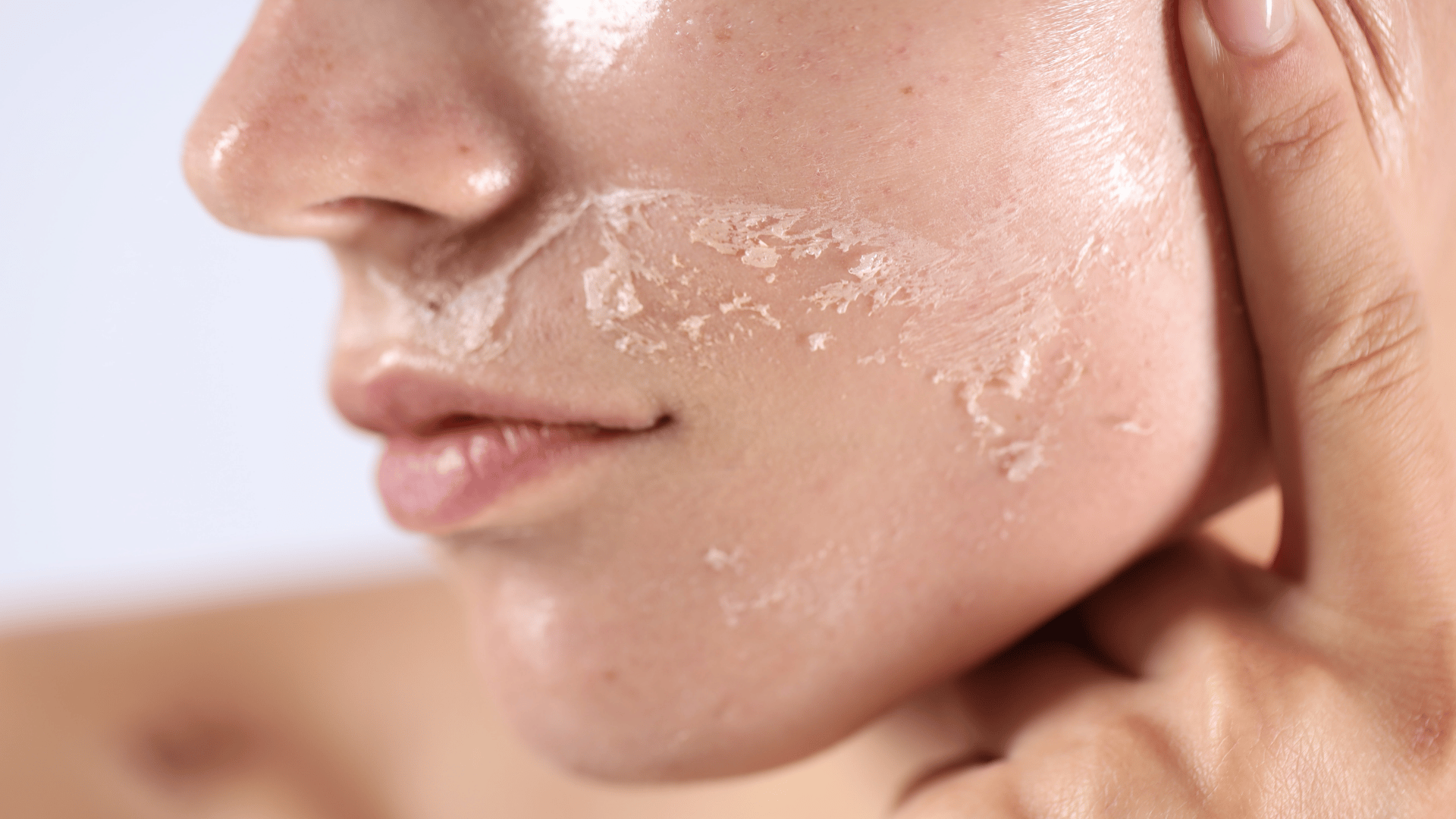
January is often the month when dry skin becomes impossible to ignore. Your complexion may feel tight after cleansing, makeup may sit unevenly, and areas around the cheeks, lips or nose may become flaky or uncomfortable.
Cold weather is only part of the problem. Indoor heating, hot showers, lower humidity and a damaged skin barrier can all make winter skin feel dry, dull and more sensitive than usual.
The good news is that winter dryness can be managed with the right routine. The key is to focus on hydration, barrier support and gentle products that help the skin retain moisture.
Why skin becomes drier in winter
During winter, the air holds less moisture. This means water can evaporate from the skin more easily, leaving it feeling tight, rough or dehydrated.
At the same time, central heating creates a dry indoor environment. Moving between cold outdoor air and warm indoor spaces can also put extra stress on the skin barrier.
Common winter triggers include:
- Cold wind: Can weaken the skin’s protective outer layer.
- Central heating: Reduces humidity and pulls moisture from the skin.
- Hot showers: Can strip natural oils from the skin.
- Harsh cleansers: May make dryness and tightness worse.
- Over-exfoliation: Can damage the skin barrier and increase sensitivity.
When these factors combine, even normally balanced skin can start to feel dry.
Dry skin vs dehydrated skin
Dry skin and dehydrated skin are often confused, but they are not the same thing.
Dry skin lacks oil. It may feel rough, flaky or uncomfortable and often benefits from richer moisturisers and nourishing ingredients.
Dehydrated skin lacks water. It can happen to any skin type, including oily and blemish-prone skin. Dehydrated skin may look dull, feel tight and show fine dehydration lines.
You can also experience both at the same time, especially during winter.
Signs of winter dehydration include:
- Skin feels tight but may still become oily during the day
- Fine lines look more noticeable
- Makeup clings to dry patches
- Skin looks dull or tired
- Products may sting more than usual
The best winter routine should support both water hydration and oil balance.
Step 1: switch to a gentle cleanser
If your skin feels tight after cleansing, your cleanser may be too stripping.
In winter, it is often better to choose a gentle cleanser that removes impurities without disrupting the skin barrier. Cream, milk or hydrating gel cleansers can be especially helpful for dry or sensitive skin.
If you wear makeup or SPF, double cleansing in the evening can still be useful. Start with a cleansing balm or oil, then follow with a gentle second cleanse.
Avoid using hot water, as this can make dryness worse. Lukewarm water is much kinder to the skin.
Step 2: add hydration before moisturiser
Moisturiser is important, but hydration starts before that step.
A hydrating serum can help replenish water levels in the skin and make the complexion look smoother and fresher.
Look for ingredients such as:
- Hyaluronic acid: Helps attract and hold water in the skin.
- Glycerin: Supports hydration and softness.
- Panthenol: Helps calm and comfort dry-feeling skin.
- Aloe vera: Can help soothe and refresh the complexion.
- Niacinamide: Supports the barrier and helps improve uneven tone.
Apply your hydrating serum to slightly damp skin, then follow with moisturiser to lock in the hydration.
Step 3: use a richer moisturiser when needed
Your summer moisturiser may not be enough in January.
During winter, many skin types benefit from a richer cream, especially at night. The aim is to reduce moisture loss and help the skin feel protected.
Barrier-supporting moisturisers can be especially useful if your skin feels tight, flaky or sensitive.
Look for ingredients such as:
- Ceramides
- Squalane
- Peptides
- Fatty acids
- Shea butter
- Lipids
A product like Obagi Hydrate Luxe can be a good option for dry winter skin, especially as part of an evening routine. SkinCeuticals Triple Lipid Restore 2:4:2 is another strong choice for skin that feels depleted or in need of barrier support.
Step 4: be careful with exfoliation
When skin is flaky, it can be tempting to exfoliate more often. But if the skin barrier is already stressed, too much exfoliation can make dryness worse.
Instead of using strong scrubs or frequent acids, choose a gentle exfoliant once a week if your skin can tolerate it.
For dry or sensitive skin, lactic acid or mandelic acid may be better options than harsher exfoliants. If your skin feels irritated, pause exfoliation completely and focus on hydration and repair.
A good rule: if products sting, your skin feels hot, or redness increases, your barrier needs support before exfoliation.
Step 5: do not skip SPF
Even in winter, SPF is essential.
UVA rays are present throughout the year and can pass through clouds and windows. They contribute to premature ageing, uneven tone and pigmentation.
Apply broad-spectrum SPF every morning as the final step in your routine.
A simple winter morning routine could look like this:
- Gentle cleanse
- Hydrating serum
- Moisturiser
- Broad-spectrum SPF
If your sunscreen feels too drying in winter, try applying a richer moisturiser underneath or switching to a more hydrating SPF texture.
Step 6: protect the skin barrier at night
Night-time is the perfect opportunity to repair and comfort dry winter skin.
Your evening routine does not need to be complicated:
- Remove makeup and SPF
- Cleanse gently
- Apply a hydrating serum
- Use a nourishing moisturiser
- Add a balm to very dry areas if needed
If you use retinol, you may need to reduce frequency during very cold weather. Retinol can be effective, but it can also increase dryness if the skin barrier is already compromised.
On non-retinol nights, focus on barrier recovery.
Small lifestyle changes that help
Skincare products make a big difference, but daily habits can also affect winter dryness.
Try to:
- Use lukewarm water instead of hot water
- Avoid long hot showers
- Apply moisturiser soon after cleansing
- Use a humidifier if your home is very dry
- Protect your face from cold wind with a scarf
- Drink enough water throughout the day
These small changes can help reduce moisture loss and keep the skin feeling more comfortable.
The takeaway
Winter dryness is common, especially in January, but it does not mean your skin has to feel uncomfortable all season.
Focus on gentle cleansing, hydrating serums, richer moisturisers and daily SPF. Be careful with exfoliation and give your skin barrier the support it needs.
Healthy winter skin is not about doing more. It is about choosing products that help your skin stay calm, hydrated and protected.


